
If you are a homeowner in Ontario, you have likely noticed a shift in the conversation around home heating. For decades, the natural gas furnace was the undisputed king of Canadian winters. It was simple, familiar, and, historically, the cheapest option. But as we settle into 2026, the landscape has changed dramatically. Between rising federal carbon taxes, evolving provincial energy initiatives, and massive leaps in HVAC technology, the old rules no longer apply.
The question is no longer just about replacing a broken box in your basement; it is about choosing a financial and comfort strategy for the next 15 years. You are likely hearing one term more than any other: the Cold Climate Heat Pump.
But with all the noise comes confusion. Can these electric systems actually handle a frozen February in Toronto? Are the rebates real? And does switching from gas to electricity actually save you money? Let’s strip away the marketing jargon and look at the reality of heat pump vs. furnace costs in Ontario.
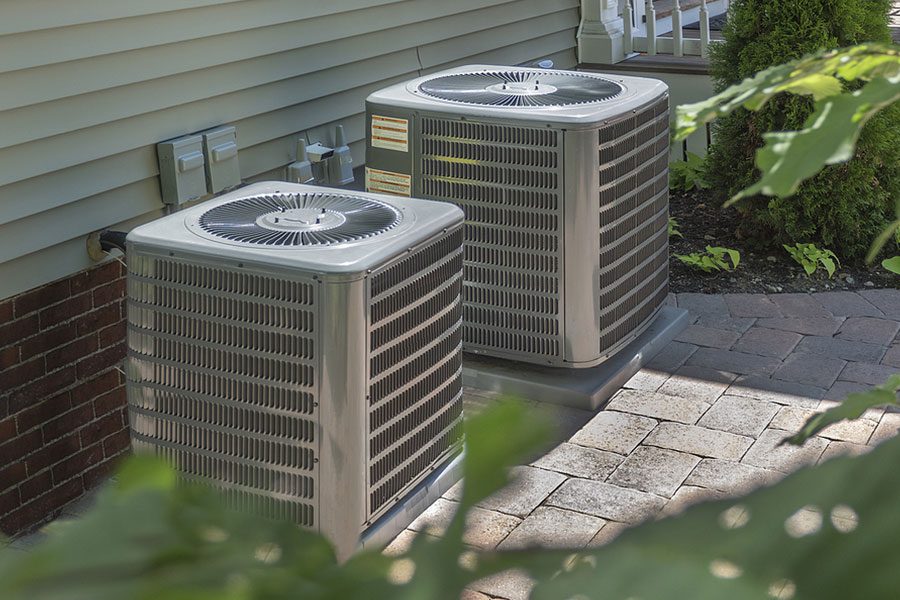
The “Cold Weather” Myth: Separating Fact from History
The biggest hesitation for most Ontario homeowners is the fear of being cold. It is a valid concern, rooted in outdated technology. Ten or fifteen years ago, heat pumps were essentially just air conditioners with a “reverse” switch. They worked beautifully in the southern United States, but the moment the thermometer dipped below freezing, they struggled. They would blow lukewarm air and rely heavily on expensive electric backup strips to keep the house habitable.
That technology is ancient history.
The industry has since introduced Cold Climate Air Source Heat Pumps (ccASHPs), designed specifically for regions like ours. These aren’t your parents’ heat pumps. They utilize advanced variable-speed compressors and “flash-injection” technology that allows the system to continue extracting thermal energy from the outside air even when temperatures plunge to -25°C or -30°C.
Think of it like your refrigerator, which uses electricity to move heat out of an insulated box to keep your food cold. A heat pump does the same work but in reverse: it finds the hidden heat energy in the outdoor air—and yes, there is heat energy even in freezing air—and moves it into your home. Because it is moving heat rather than creating it by burning fuel, it can be 300% to 400% efficient, whereas the best gas furnace tops out at 98% efficiency.
The Hybrid Compromise: The Best of Both Worlds
Even knowing the science, many homeowners worry about that one week in January when the polar vortex hits and temperatures drop to -35°C. This is where the Hybrid Heating System shines.
You don’t necessarily have to rip out your gas infrastructure to benefit from a heat pump. In a hybrid setup, we install a heat pump to handle the heating load for 80% to 90% of the winter. It runs efficiently during the cool fall, the damp spring, and the majority of the winter. However, the system is smart. It connects to a thermostat that knows the outdoor temperature and your electricity rates. If the weather gets too extreme for the heat pump to operate efficiently, the system automatically switches over to your gas furnace for backup.
This approach offers the ultimate peace of mind. You drastically cut your gas consumption and carbon footprint, but you retain the “emergency power” of a furnace for the absolute coldest nights of the year.
Navigating the 2026 Rebate Landscape
One of the primary drivers for the explosion of cold climate heat pumps in Canada is the financial incentive structure. The government is actively encouraging the shift away from fossil fuels, and they are putting significant money on the table to make it happen.
In 2026, the rebate landscape has stabilized into a robust partnership between Enbridge Gas and federal initiatives. Through the current Home Efficiency Rebate programs, Ontario homeowners can access thousands of dollars in grants.
Specifically, installing a qualifying Cold Climate Air Source Heat Pump can net you a rebate of up to $7,500. This is not a tax credit you wait a year for; it is a direct rebate that significantly offsets the upfront difference in cost between a standard AC unit and a heat pump. When you consider that a heat pump also replaces your air conditioner (providing cooling in the summer), the math becomes even more attractive. You are essentially getting a premium heating system and a top-tier air conditioner for the price of one, subsidized by the government.
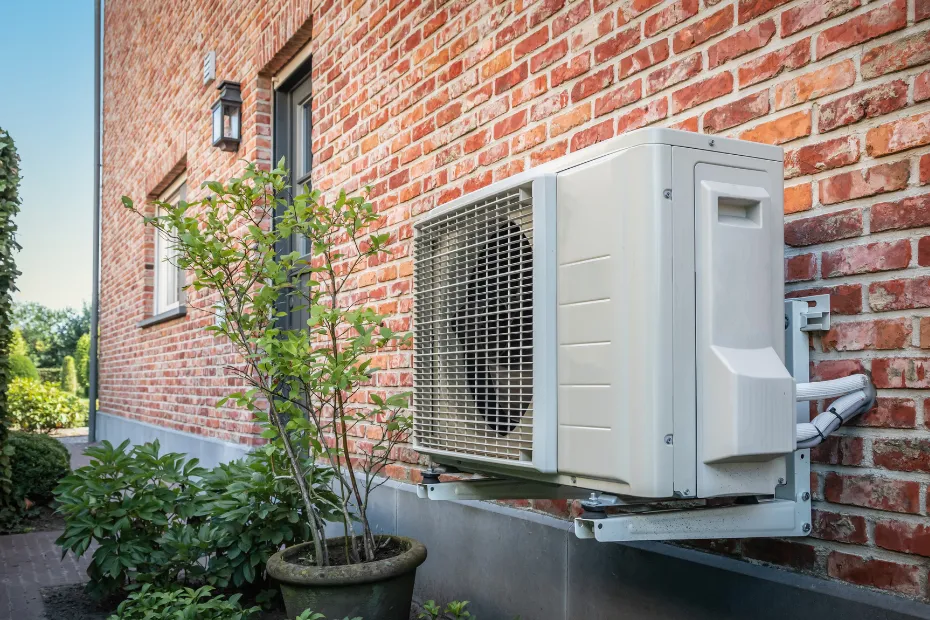
The Financial Reality: Gas vs. Electricity
The final piece of the puzzle is the monthly bill. For years, natural gas was so inexpensive that electric heating couldn’t compete. However, the federal carbon pricing schedule is designed to increase the cost of fossil fuels annually. As the cost of natural gas rises, the economics tip in favor of electricity.
Furthermore, Ontario’s electricity pricing structures are evolving. The introduction of Ultra-Low Overnight (ULO) rates allows savvy homeowners to “superheat” or “supercool” their homes during off-peak hours (often costing less than 3 cents per kWh) and let the system coast during expensive on-peak times. A variable-speed heat pump is perfectly suited for this strategy, maintaining a steady, comfortable temperature without the drastic swings and blasts of hot air associated with traditional furnaces.
When you combine the removal of huge chunks of your gas bill, the high efficiency of the heat pump, and the available rebates, the Return on Investment (ROI) for a heat pump is shorter than ever before. You aren’t just buying a heater; you are insulating your household budget against future carbon tax hikes.
Making the Right Choice for Your Home
Every home in Ontario is unique. The insulation levels, the ductwork size, and the age of your windows all play a role in determining whether a full heat pump switch or a hybrid system is right for you. A “drop-in” replacement without a proper load calculation can lead to a system that is either overworked or short-cycling.
At Lifetime Building Services, we believe in a data-driven approach. We don’t just sell units we analyze your home’s thermal envelope to ensure that whatever system you choose will deliver consistent comfort for the next decade. Whether you are looking to cut ties with gas completely or want a high-efficiency hybrid system to lower your bills, the technology is ready.
Ready to future-proof your home heating? Contact Lifetime Buildings today to schedule your assessment.