
You can expect most full bathroom renovations in Canada to cost between about $7,000 and $25,000 in 2026, with smaller updates under $5,000 and high-end remodels above $25,000 depending on fixtures, labour, and region. Knowing this range up front helps you set a realistic budget, pick the right scope, and avoid sticker shock as you plan.
This guide shows what drives price differences size, materials, plumbing and electrical changes, labour rates in your area, and permit needs so you can compare options that fit your goals. You’ll also get clear cost breakdowns by project type, practical budgeting tips, and ways to save or finance the work so your plan stays on track.
Average Bathroom Renovation Costs in Canada (2026)
Costs now range widely based on project scope, materials, and location. Expect small updates under $10,000, typical mid-range renovations around $12,000–$25,000, and full luxury remodels up to $40,000 or more.
National Average Price Breakdown
Most homeowners spend between $7,000 and $20,000 for a typical bathroom update in 2026.
- Small refresh (paint, fixtures, minor tiling): $4,000–$9,000.
- Mid-range (new tub/shower, vanity, floor tile): $12,000–$25,000.
- Full/luxury (layout change, high-end finishes): $25,000–$40,000+.
Labor often accounts for 30–50% of the total cost. Expect plumbing and electrical work to be pricier in complex jobs. Permit, design fees, and unexpected repairs (mold, water damage) can add several hundred to several thousand dollars.
Regional Variations in Costs
Costs differ by province and city. Major urban areas like Toronto, Vancouver, and Calgary typically sit at the upper end due to higher labour and permit costs.
Rural and smaller markets often offer lower labour rates but may have higher material markups or longer delivery times.
Example ranges by region (typical mid-range renovation):
- Greater Toronto Area: $15,000–$30,000
- Vancouver area: $13,000–$28,000
- Prairies and Atlantic provinces: $10,000–$20,000
The Okanagan and other high-demand markets report rising prices tied to limited contractor availability and stronger demand for higher-end finishes.
Price Trends Compared to Previous Years
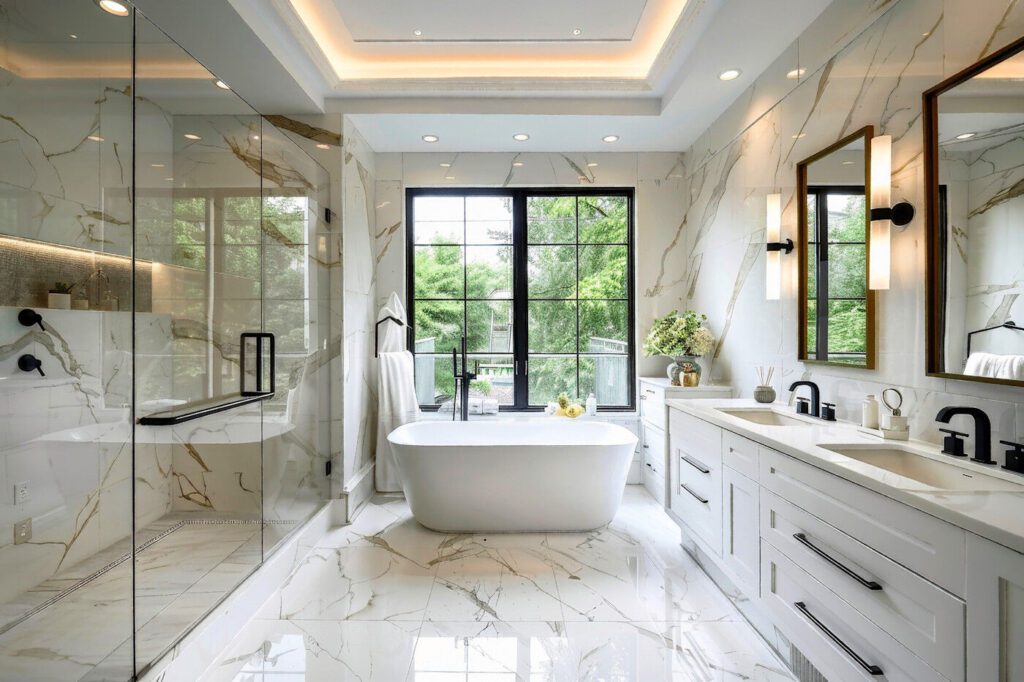
Prices have climbed since 2023–2024, mainly from higher labour rates and material inflation. Average national figures moved up by roughly 5–15% depending on region and scope.
Supply chain issues eased for many fixtures, but specialty items and luxury tiles remain pricier and slower to source.
You should budget extra for labour increases and potential delays. If you plan a renovation in 2026, get multiple quotes and lock in prices or contracts to avoid mid-project cost jumps.
Cost Factors Affecting Bathroom Renovation
Key costs come from who you hire, what materials you choose, the bathroom’s size and layout, and how complex the work is. Each factor can change your total by hundreds or thousands of dollars, so plan each item deliberately.
Labour Costs
Labour usually makes up 25–40% of your total budget. In Canada, expect higher hourly rates in big cities—plumbers and electricians often charge more than general contractors. Skilled trades like tile setters and cabinet makers cost more but cut mistakes and rework.
You’ll pay for permits, inspections, and site prep too. If your project needs structural changes or moving plumbing, labour time rises and so do permit fees. Ask trades for itemized quotes and get at least three bids to compare rates and timelines.
Plan for a contingency of 10–20% of labour costs for delays, hidden damage, or extra work. Clear scope and a written contract with milestones will limit surprises and help you control labour spending.
Material Selection
Material choices can swing your budget widely. Basic ceramic tiles and laminate vanities keep costs low, while natural stone, custom cabinetry, and high-end fixtures raise prices quickly. For example, tiles range from $2–$30 per sq ft; quartz counters cost notably more than laminate.
Fixtures also vary: a standard toilet is inexpensive, but a wall-hung model or heated-floor system costs much more. Factor in installation compatibility—some premium items require specialized labour, increasing labour costs.
Balance look and durability. Choose higher-wear items (floor tile, vanity top) with better materials, and save on trim or decor. Use a simple checklist to track unit prices and installation needs for each material to compare real costs.
Bathroom Size and Layout
Square footage directly affects material and labour totals. A small powder room may cost $5,000–$10,000, while a full master ensuite often starts around $15,000 and can exceed $35,000. More floor area needs more tile, drywall, and paint.
Layout changes that move plumbing or walls add cost quickly. Keeping fixture locations reduces plumbing and labour time. If you widen doorways or rework the layout, factor in structural work, drywall, and trim.
Storage needs and fixture count matter too. A double vanity, separate tub and shower, or bidet increases both material and installation costs. Measure carefully and mock up the layout to avoid costly changes once work begins.
Project Complexity
Complex projects include structural work, moving drains, rerouting electrical, or altering load-bearing walls. These add specialized trades, engineering reports, and higher permit fees. Complex tile patterns, custom millwork, or niche fixtures also increase time and cost.
Hidden issues mold, rot, or outdated wiring often appear once demolition starts. Budget for inspections and repairs. Accessibility upgrades like curbless showers or wider doors add cost but require specific trades and planning.
Simpler cosmetic updates such as replacing fixtures, painting, and refacing cabinets keep costs down and finish faster. If you want major changes, break the project into phases and schedule inspections and approvals early to avoid delays.
Detailed Price Breakdown by Renovation Type
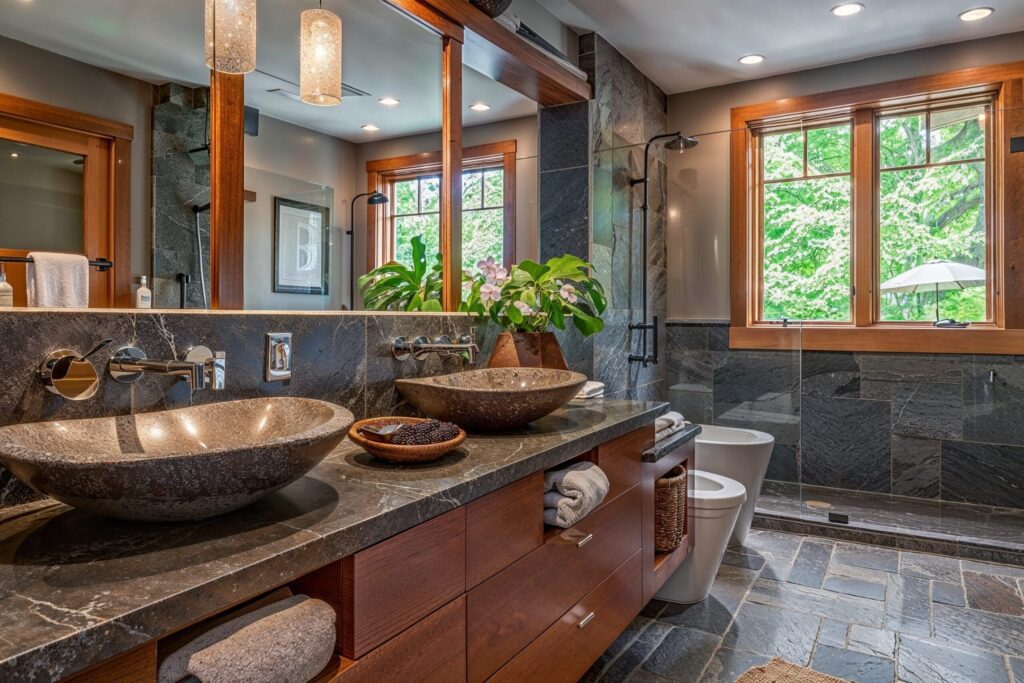
You’ll find different cost ranges based on scope, labor, and materials. Expect major price jumps when changing layout, plumbing, or finishes.
Full Renovation
A full renovation replaces floor, walls, fixtures, plumbing, electrical, and often layout. In Canada, typical costs range from about $15,000 to $40,000 depending on city and scope. Toronto and Vancouver tend to be at the higher end because of labour and permit costs.
Key cost drivers:
- Plumbing relocation: $1,000–$5,000 more when moving drains or toilets.
- Electrical upgrades: $500–$3,000 for new circuits, lighting, or heated floors.
- Demolition and disposal: $1,000–$3,000 for removal and site prep.
You must factor in permits and contingency of 10–20% for surprises like mold or structural fixes. If you reconfigure walls, expect an increase in both time and cost.
Partial Upgrades
Partial upgrades keep the basic layout but replace important components. Typical budgets run $5,000–$15,000 depending on how many items you change.
Common partial projects:
- Replace tub with shower: $1,500–$7,000.
- Swap vanity and toilet: $800–$4,000.
- Retile one wall or floor: $700–$4,500.
You save on plumbing and electrical when you don’t move fixtures. Labor is still 40–60% of the cost. Choose mid-range fixtures and reuse cabinets or tiles where possible to stretch your budget.
Luxury Bathroom Remodels
Luxury remodels focus on high-end materials and custom work. Expect $30,000–$100,000+ depending on custom cabinetry, stone counters, glass enclosures, and smart systems.
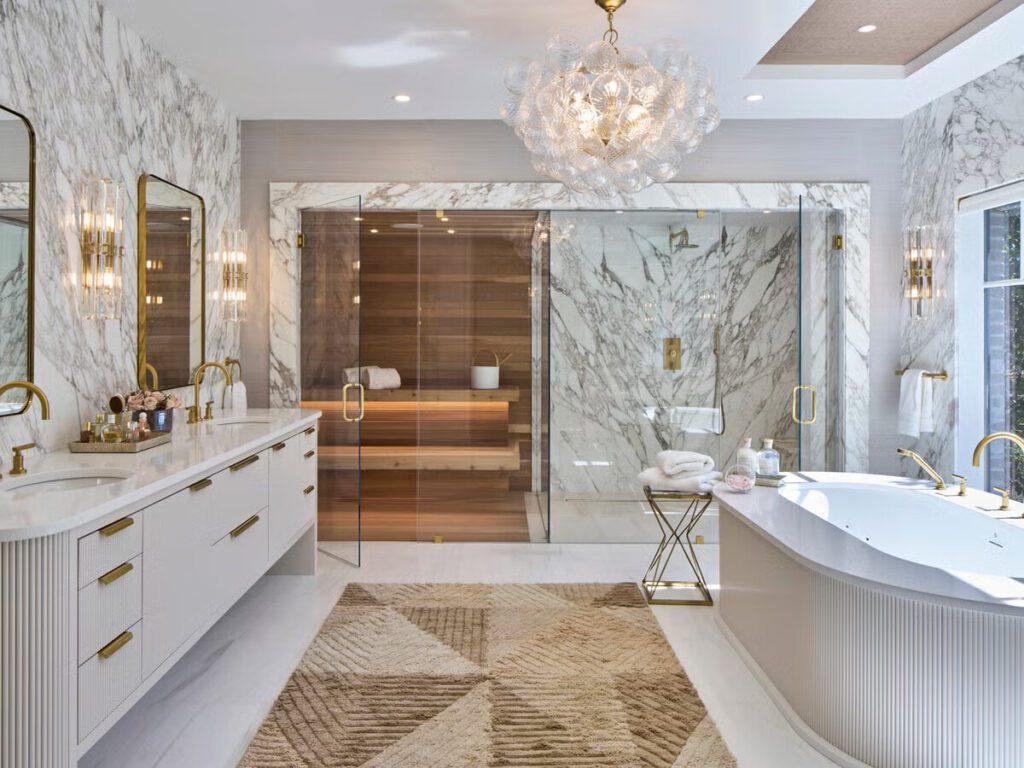
Typical luxury items and costs:
- Custom cabinetry and stone tops: $8,000–$25,000.
- Freestanding tubs or spa showers: $5,000–$20,000.
- High-end fixtures and smart controls: $2,000–$10,000.
- Heated floors and towel warmers: $1,000–$6,000.
Luxury projects often require specialized trades and longer timelines. Plan for permits, designer fees, and a larger contingency of 15–25% for custom work and lead-time delays.
Cosmetic Updates
Cosmetic updates refresh surfaces and fixtures without major trades. You can often complete these for $1,000–$6,000.
Common cosmetic tasks:
- Paint and trim: $300–$1,200.
- Replace fixtures (faucet, towel bars): $200–$1,000.
- New vanity or mirror only: $500–$2,500.
- Regrout and deep clean: $150–$800.
Cosmetic work offers high visible impact at low cost when you keep layout and plumbing in place. DIY can cut labor, but hire a pro for plumbing or electrical changes to avoid code issues.
Essential Budgeting Tips for Canadian Homeowners
You will learn how to set a budget that matches your needs, choose what matters most, and protect yourself from surprise costs. These steps help keep your project on track and avoid overspending.
Setting a Realistic Budget
Start by getting three written quotes from local contractors and compare line-by-line costs for labour, materials, and permits. Use provincial average ranges as a baseline small updates often cost under $10,000, mid-range remodels commonly fall between $10,000–$30,000, and full luxury renovations can exceed $35,000 then adjust for your city’s labor rates.
Break your budget into clear categories: Labour (40–60%), Materials (25–35%), Fixtures (10–20%), and Contingency (10–20%). Allocate funds for removal and disposal, provincial permits, and temporary fixes like a portable toilet if your bathroom will be out of service.
Track every expense in a simple spreadsheet or app. Update it weekly and mark approved change orders separately so you can see how small decisions add up.
Prioritizing Renovation Goals
List three must-haves, two nice-to-haves, and any deal-breakers before you buy materials or sign a contract. For example: must-haves might be a new shower and modern ventilation; nice-to-haves could be underfloor heating and a heated towel rack.
Decide where to spend for value: durable flooring and waterproofing give long-term savings, while high-end tile or fixtures are visible splurges. If budget is tight, choose mid-range fixtures and invest more in labour quality and waterproofing.
Use a simple table to rank choices by cost impact and lifespan:
- High cost / high lifespan: replace tub, update plumbing
- Medium cost / medium lifespan: vanity, lighting
- Low cost / low lifespan: paint, trim
This will help you accept trade-offs and keep priorities aligned with your budget.
Planning for Unexpected Expenses
Set aside at least 15–20% of your total budget for surprises like hidden water damage, asbestos, or outdated wiring. Expect older homes and bathrooms with poor ventilation to need more repairs; plan for structural fixes if you find rot or mold behind walls.
Get a pre-renovation inspection for plumbing and structural risks when possible. Ask contractors to list known unknowns and include hourly rates for extra work in the contract. Require written change orders for any extra work and approve them before the contractor proceeds.
Keep an emergency fund separate from the renovation contingency. If you don’t use it, you can upgrade a fixture or apply it to future maintenance.
Ways to Save on Bathroom Renovation
You can cut costs by choosing where to DIY, timing the work, and picking smart materials. Each choice affects labour, waste, and long-term value.
DIY vs. Professional Services
Decide tasks by risk and code requirements. You can save on removal, painting, and installing fixtures like towel bars or a vanity. These jobs need basic tools and take a few hours to a couple of days.
Hire pros for plumbing, electrical work, structural changes, and waterproofing. Mistakes in these areas lead to costly repairs and failed inspections. A licensed plumber or electrician also carries insurance and warranty for their work.
Use a hybrid approach: do prep and finish work yourself, and book pros for technical steps. Get written quotes from at least three contractors. Compare hourly rates, warranties, and timelines, not just the bottom line. Keep a contingency of 10–20% for trades you may need to bring in after demo.
Off-Season Discounts
Schedule work during slower months to get lower rates and faster booking. In many Canadian cities, late fall and winter often have fewer renovation projects, so contractors may offer discounts or flexible start dates. Ask about reduced labour rates or material rebates for off-peak scheduling.
Buy big-ticket items during major sales: Black Friday, Boxing Day, and end-of-season clearances. Track clearance sections at big-box stores and local distributors. If you can store items safely, buy when discounts hit and time delivery to match your project start.
Sourcing Cost-Effective Materials
Choose mid-range fixtures that balance price and durability. For example, opt for a good-quality acrylic tub instead of a cast-iron model, or porcelain tile that mimics natural stone. These choices lower upfront cost without big performance loss.
Shop these sources for savings:
- Clearance and overstock sections at big retailers.
- Local reclamation yards for vanities, mirrors, and salvage tiles.
- Online marketplaces for unused or returned items.
Request samples before you buy. Buy slightly more tile (5–10% extra) to avoid rush orders later. Compare shipping and return policies cheaper unit prices can become expensive with high delivery or restocking fees.
How to Select the Right Contractor
You want a contractor who stays on schedule, respects your budget, and delivers quality work. Focus on local reputation, clear written quotes, and proper licensing and insurance.
Researching Local Professionals
Start with a short list of three to five contractors in your city or neighbourhood. Use trade sites, local Facebook groups, and recommendations from neighbors who finished similar bathroom projects. Look for firms that show recent photo portfolios of full bathroom remodels, not just fixture swaps.
Call each contractor and ask about recent projects in your area, typical project timelines, and whether they handle permits. Note responsiveness and clarity in answers. Visit one or two completed projects if possible, or ask for references you can call. Prioritize contractors who specialize in bathroom remodels rather than general handymen.
Evaluating Quotes and Proposals
Ask for written, itemized quotes from at least three contractors. Each quote should list labour hours or rates, materials (by brand or grade), demolition, disposal, plumbing, electrical, tile work, and any subcontractor fees. Compare what’s included and what’s excluded to avoid surprise costs.
Check payment schedules avoid contractors who ask for large upfront deposits over 30%. Look for warranties on workmanship and materials. If two bids differ a lot, ask for clarification on scope, lead times for fixtures, and any assumptions about existing plumbing or structural work.
Verifying Credentials and Insurance
Confirm the contractor’s business licence and any trade certifications relevant to plumbing, electrical, or gas work. For work in provinces like BC or Ontario, check provincial licensing requirements and whether the contractor complies. Ask for proof and record licence numbers.
Request a copy of current general liability insurance and worker’s compensation (or provincial equivalent). Call the insurer to verify coverage dates and limits. Make sure subcontractors are covered too. Keep all verification documents with your contract.
Financing Options for Bathroom Renovations in Canada
You can fund a bathroom renovation using savings, credit, or home equity. Each option has different costs, approval rules, and tax or repayment implications, so match the choice to your budget, timeline, and credit profile.
Personal Loans and Lines of Credit
A personal loan gives you a fixed amount, fixed monthly payments, and a set end date. Rates vary by lender and credit score; expect unsecured personal loan rates higher than secured loans. Choose a loan when you want predictable payments and a clear payoff date.
A personal line of credit (or LOC) is flexible. You borrow only what you use and pay interest on the balance. Prime-based variable rates mean payments can change. Use an LOC if costs may change or you want funds for unexpected repairs during the project.
Compare fees, early repayment penalties, and total interest. Check approximate monthly payment before you borrow. Apply to banks, credit unions, or online lenders and read the fine print on insurance or loan add-ons.
Government Incentives
Some federal and provincial programs provide grants, rebates, or interest-free loans for energy-saving or accessibility upgrades. Eligible work often includes low-flow fixtures, efficient water heaters, or barrier-free showers.
Check programs like provincial energy-efficiency rebates and the Canada Greener Homes Grant for qualifying upgrades and pre-approval steps. Municipal grants or tax credits may also apply for accessibility modifications for seniors or people with disabilities.
Document contractor quotes, product specs, and receipts. Without proper documentation, you risk losing rebates. Confirm deadlines, maximum amounts, and whether work must meet specific efficiency standards.
Home Equity Financing
A Home Equity Line of Credit (HELOC) and a home equity loan use your house as collateral. HELOCs offer a revolving credit line with variable rates. Home equity loans give a lump sum with fixed payments.
These options usually offer lower interest than unsecured loans, but foreclosure risk rises if you default. Lenders typically require a combined loan-to-value under a set limit, proof of income, and good credit.
Compare amortization, interest-only periods, and closing costs. Use equity financing for larger projects when you can commit to repayment and want lower monthly interest.
Planning Your 2026 Bathroom Renovation Timeline
Start by setting a realistic schedule. Most bathroom renovations in 2026 take between 8 weeks and 5 months from planning to final inspection, depending on scope and material lead times.
Break your project into clear phases: planning and design, material procurement, and construction. Planning and design usually take 2–8 weeks; order long-lead items early to avoid delays.
Use a simple timeline to track tasks:
- Week 1–2: Measure, set budget, hire contractor.
- Week 3–6: Finalize design, select fixtures, place orders.
- Week 7–16: Demolition, rough plumbing/electrical, tiling, fixtures.
- Week 17–20: Finishing, inspections, punch list.
Expect variations by complexity. A cosmetic refresh can wrap up in a few weeks. A full gut renovation with layout or structural changes may stretch to several months.
Build buffer time into your plan. Add 10–20% extra days for delivery issues, permit delays, or unexpected repairs. This reduces stress and keeps your budget from rising due to rushed decisions.
Communicate regularly with your contractor. Weekly check-ins help you catch problems early and keep work on schedule. Keep records of timelines, change orders, and receipts for clear accountability.
Ready to renovate your bathroom? Lifetime Buildings delivers expert craftsmanship, transparent pricing, and premium finishes. Contact us today for a free consultation.