You want flooring that looks great, lasts through Canadian winters, and fits your budget and lifestyle. The best choice balances durability, water resistance, comfort, and cost—often meaning hardwood or high-quality luxury vinyl for main living areas, tile or stone for wet zones, and durable carpets or rugs where warmth matters most. This guide shows practical options that work across climate zones, home types, and budgets.
You’ll learn what matters in Canada—moisture control, wear resistance, and sustainable materials—plus clear pros and cons for hardwood, luxury vinyl, laminate, tile, stone, and carpet. Use these insights to pick a floor that suits your daily life and renovation plan, whether you hire pros or tackle a DIY project.
Key Factors When Choosing Flooring in Canada
Think about how cold, wet, and busy your home gets, what you can afford, and how much time you want to spend cleaning and fixing floors. These choices affect material, warranty, and installation.
Climate and Durability
Canada’s winters bring freezing temperatures, snow, and road salt that track into homes. Choose floors that resist moisture and temperature swings—engineered hardwood or luxury vinyl plank (LVP) handle humidity and movement better than solid hardwood in many regions.
In basements or high-moisture areas, use tile, concrete, or waterproof vinyl to prevent warping and mold growth. Check product technical specs for moisture limits, plank stability, and freeze-thaw resistance for exterior-adjacent entries.
Durability also depends on household use. If you have pets or kids, pick high-abrasion finishes (AC rating 3+ for laminates or ceramic tile PEI 3+). Look for scratch-resistant coatings and longer wear-layer thickness on hardwood or LVP for longer life.
Budget and Value
Set a clear budget that covers materials, underlayment, removal of old flooring, and professional installation. Low-cost options like basic laminate or sheet vinyl can run under $3–$5 per sq. ft. installed, while mid-range LVP or engineered wood typically ranges $5–$12. Solid hardwood and high-end tile often cost $12–$25+ per sq. ft. installed.
Consider lifecycle cost, not just upfront price. Durable, water-resistant floors may cost more at purchase but save on repairs and replacements. Factor in resale value: hardwood and high-quality tile usually boost home value more than short-lived budget vinyl.
Maintenance Requirements
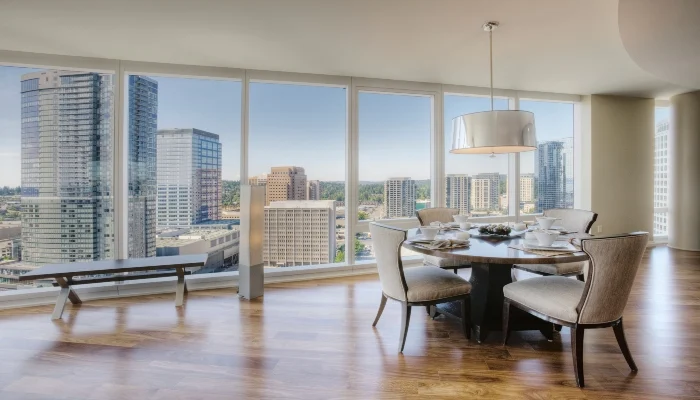
Think about daily care and long-term upkeep. Hardwood needs gentle cleaners, quick spill cleanup, and occasional refinishing every 7–20 years depending on wear. Engineered wood needs similar care but may not sand as often.
Vinyl and laminate clean easily with a damp mop and mild cleaner; avoid steam mops on laminate. Tile grout requires periodic sealing and scrubbing to prevent staining and mold.
Also plan for repairs: click-lock planks allow spot replacement; glued floors can be harder to fix. Check manufacturer cleaning guidelines and warranty terms—improper maintenance can void coverage.
Popular Hardwood Flooring Options
Hardwood choices balance looks, durability, and cost. You’ll weigh moisture resistance, installation type, and maintenance needs when picking a species and construction.
Engineered Hardwood Flooring
Engineered hardwood has a real wood veneer over plywood or HDF core. It resists moisture and temperature swings better than solid wood, so it works well over concrete slabs, in basements, and in Canadian climates with big seasonal changes.
You can install it as floating, glue-down, or nail-down, depending on the product and subfloor. Thickness of the top veneer matters: a 2–4 mm veneer can be sanded once, while 4–6 mm lets you refinish 2–3 times. Look for a robust finish—UV-cured polyurethane or aluminum oxide—for better scratch and stain resistance.
Engineered boards come in many widths and species—oak, maple, hickory, and walnut are common. Compare warranties, wear layer thickness, and installation methods when choosing. Expect mid-range to high-end price points depending on veneer thickness and species.
Solid Hardwood Flooring
Solid hardwood is one solid plank of wood, usually 18–20 mm thick for Canadian installs. It offers long lifespan and can be sanded and refinished many times, which adds value and lets you change stain colors over decades.
Solid wood performs best above grade and in consistent indoor climates. It’s sensitive to humidity changes, so pair it with good HVAC control and follow manufacturer acclimation steps before installation. Nail-down installation to wood subfloors is the standard method.
Species choice affects hardness and cost. White oak and red oak give a blend of durability and moderate cost. Harder species like hickory or walnut resist dents but cost more. Factor in plank width and finish type when budgeting.
Sustainable Wood Choices
Sustainability looks at species, sourcing, and certifications like FSC or SFI. Choose reclaimed wood, locally harvested species, or certified products to lower environmental impact and support responsible forestry.
Popular lower-impact species include maple from well-managed forests and engineered oak with thin veneers to conserve slow-growth timber. Reclaimed barnwood and urban-salvaged boards give unique character and reduce demand for new lumber.
Ask suppliers for chain-of-custody documentation and low-VOC finishes. You can also consider longer-lasting options like wider-engineered planks that use less new hardwood per square foot. Sustainable choices often cost more up front but can add resale appeal and reduce your home’s ecological footprint.
Luxury Vinyl and Laminate Flooring Choices
You’ll find options that suit wet areas, budget rooms, and greener builds. Focus on water resistance, visual realism, and low environmental impact to match rooms and lifestyle.
Waterproof Vinyl Planks
Waterproof vinyl planks (often called LVP or WPC/HPC) resist spills and standing water, so you can install them in kitchens, basements, and bathrooms with confidence. Look for a rigid core (WPC or SPC) for better dimensional stability and a thick wear layer (≥ 20 mil for homes) to protect against scratches and heavy foot traffic.
Installation choices matter. Click-lock systems let you float the floor over subfloor imperfections; full-spread glue-down gives a firmer, more permanent feel. Pay attention to edge bevels and texture — embossed-in-register surfaces reproduce wood grain and hide wear better.
Maintenance is simple: sweep and damp-mop with a pH-neutral cleaner. Avoid steam cleaners and abrasive pads. Check the warranty for pet-resistant or commercial-use ratings if you expect heavy use.
High-Definition Laminate
High-definition laminate uses a photographic wear layer and improved cores to mimic real wood or stone at a lower price. Choose a higher AC rating (AC3 for residential use, AC4–AC5 for heavier zones) and a thicker board (12–14 mm) for better sound control and durability.
Laminate is not fully waterproof unless labeled “water-resistant” or treated with a sealed core. Use it in living rooms, bedrooms, and hallways; avoid wet basements unless you select specialty waterproof laminate. Installation is usually floating with click-lock joints, and underlayment adds cushion and thermal insulation.
Clean with a dry mop or damp cloth; prevent swelling by wiping spills quickly. Look for bevel styles, matte finishes, and registered embossing if you want more realistic texture and light reflection.
Eco-Friendly Alternatives
If sustainability matters, you have real choices in both categories. Seek vinyl with low-VOC certifications (FloorScore) and phthalate-free formulations. Some brands offer recycled-content cores or take-back programs to reduce landfill waste.
For laminate, prefer boards with FSC-certified paper layers and low-formaldehyde resin adhesives. Choose manufacturers that publish environmental product declarations (EPDs) or Declare labels so you can compare embodied carbon and material sourcing.
Other green steps you can take: buy longer-lasting, thicker products to avoid early replacement; request installation offcuts for recycling; and use cradle-to-cradle certified underlayment or natural cork to improve indoor air quality.
Tile and Stone Flooring Solutions
You’ll find durable, low-maintenance options that suit kitchens, bathrooms, and high-traffic entries. Expect choices that vary by slip resistance, porosity, and installation complexity so you can match performance to each room.
Porcelain and Ceramic Tiles
Porcelain is denser and less porous than ceramic, so it resists water better—good for basements, bathrooms, and mudrooms. Choose rectified porcelain for tight grout lines and a modern look; glazed ceramic gives you more color and pattern choices at a lower price.
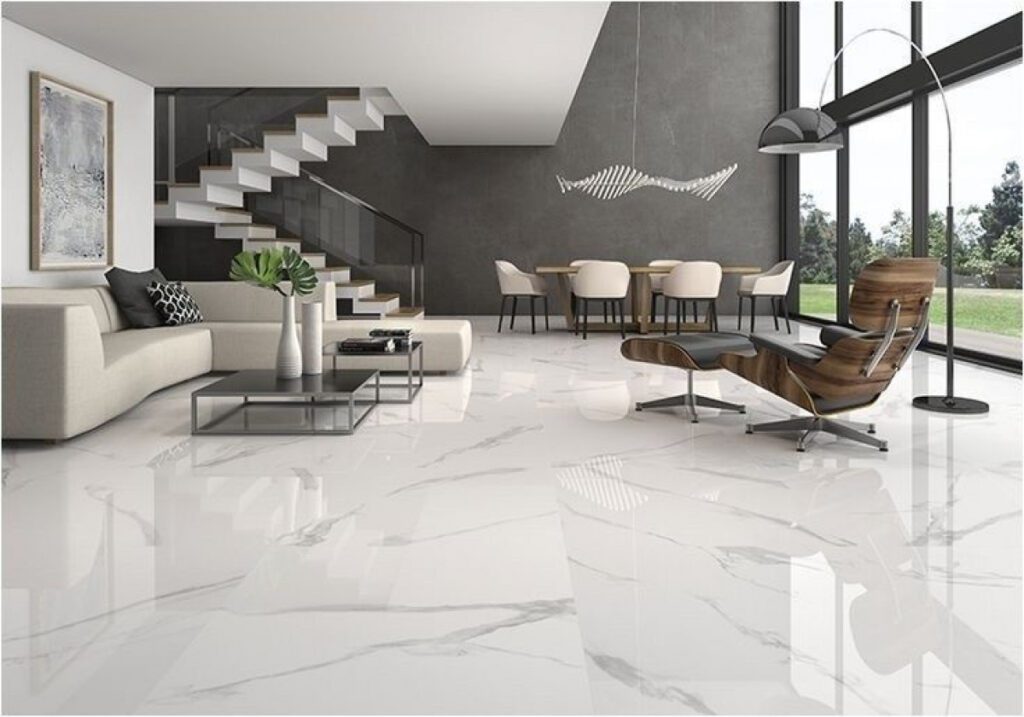
Look at PEI ratings for wear: PEI 3–4 suits most homes; PEI 5 is best for heavy commercial-style traffic. For traction, pick tiles with an R-rating or textured finish in wet areas to reduce slips. Porcelain can mimic stone or wood, so you get the look without the maintenance.
Installation matters: porcelain needs a cement backer and a stronger adhesive. Expect professional installation for large-format or heated-floor systems. Seal grout to prevent staining; use epoxy grout in high-moisture spots for durability.
Natural Stone Varieties
Granite, marble, slate, and limestone each act differently in your home. Granite is very hard and stain-resistant when sealed; good for kitchens and entry floors. Marble gives a luxe look but scratches and etches from acids; consider it only in low-traffic, well-maintained areas. Slate and limestone are more textured and slip-resistant, making them practical for wet spaces.
Stone requires regular sealing because of natural porosity. Factor in higher maintenance costs and specialist installation to prevent cracking and uneven seams. Measure variations in thickness and color; natural stone will have unique veining and shade shifts, so buy extra tiles to match during installation.
Carpet and Soft Surface Alternatives
You can choose soft flooring that resists stains, handles spills, and keeps allergens low. Focus on fiber type, stain treatments, and pile construction to match traffic, pets, and cleaning habits.
Stain-Resistant Carpets
Pick carpets labeled stain-resistant or with pet-friendly treatments if you have kids or animals. Nylon and polyester with advanced stain finishes block common household spills. Nylon lasts longer in high-traffic rooms; polyester resists dye transfer and often costs less.
Look for triple- or 5-star stain warranties from manufacturers and ask about in-factory treatments vs. topical coatings. In-factory treatments bind better to fibres and last through multiple cleanings. Choose low- or medium-pile styles — they hide wear and clean faster than deep plush.
Maintenance matters: vacuum twice weekly in busy areas and use enzyme cleaners for organic stains. Consider carpet tiles for easy spot replacement in small damaged spots without redoing a whole room.
Hypoallergenic Materials
If you suffer from allergies, select fibres that don’t trap dust and mold. Low-pile nylon or low-LOFT polyester reduce places for dust to settle. Avoid long shag or looped Berber if you are dust- or pet-sensitive; those hold more dander.
You can also choose carpets made with antimicrobial backing and moisture-resistant foams to limit mold growth in damp Canadian basements. Combine that with a HEPA vacuum and a dehumidifier (below 50% relative humidity) to keep allergens low.
For extreme sensitivity, consider soft alternatives like washable area rugs over hard floors. They let you launder the rug cover regularly and still give you warmth underfoot without permanent carpet.
Innovative and Sustainable Flooring Trends for 2026
Expect durable, low-waste options that use reclaimed materials and new tech. You’ll find floors that cut landfill waste, lower energy use, and add practical features like heating and wear sensors.
Recycled and Upcycled Flooring
Recycled and upcycled floors use materials like reclaimed wood, post-consumer plastic, and crushed glass. Reclaimed hardwood keeps old-growth character and reduces demand for new timber. Look for boards graded for structural soundness and kiln-dried to prevent warping.
Luxury vinyl tile (LVT) now often contains recycled PVC and rPET fibers. It gives you waterproof performance and lower maintenance while diverting plastic from landfills. Ask suppliers for recycled content percentage and third-party certifications such as Cradle to Cradle or ISO recycled-content reporting.
Tile made from crushed glass and porcelain uses less virgin material and offers wide color options. Installation can be similar to ceramic tile but plan for a slightly different adhesive and grout. Expect modest cost premiums for certified recycled products, but you gain lifecycle benefits and stronger resale appeal.
Smart Flooring Technologies
Smart flooring adds sensors, heating, and connectivity to the surface underfoot. Underfloor heating systems now integrate with smart thermostats and room sensors so you can schedule zones and track energy use from your phone. Hydronic and electric mats both work; hydronic suits larger areas, electric is easier for remodels.
Pressure and motion sensors embedded in flooring can monitor occupancy and activity. You can use them for elderly safety alerts, room-by-room lighting control, or to trigger HVAC adjustments. Choose systems that respect privacy and use local processing rather than constant cloud streaming.
Some products combine wear-resistant surfaces with sensor layers for durability and function. When shopping, check compatibility with your subfloor, warranty terms for sensor failures, and whether installers offer calibration and software updates.
Professional Installation vs. DIY Renovation
Decide if you want to save money and do the work yourself or pay for guaranteed precision and speed. Think about your budget, the type of flooring, and how much time you can commit.
Cost and Time Considerations
DIY can cut labor costs by 30–60% for simple floors like floating vinyl or click-lock laminate. You will still pay for tools (under $200 for basic tools) and materials waste; expect 5–10% extra material for cuts and mistakes. Plan extra time: a medium room (12×12 ft) can take a weekend for a confident DIYer, but five to eight hours for a pro.
For hardwood, tile, or complex patterns, professional rates in Canada typically run $3–8+ per sq ft for installation, depending on region and prep work. Pros work faster and reduce waste, so higher upfront cost can mean lower total cost if you lack experience. Factor in time off work, repair risk, and warranty differences when you choose.
Finding Qualified Installers
Look for installers with certifications from flooring manufacturers or trade associations. Ask for a written estimate that lists prep work, removal, underlay, trim, and cleanup. Compare at least three quotes and check references.
Inspect portfolios and visit a recent job if possible. Confirm the installer carries liability insurance and a worker’s compensation policy. Get warranty details in writing: what’s covered, for how long, and who pays for rework. Pay a small deposit and withhold final payment until you inspect the finished floor.
Upgrade your home with confidence. Lifetime Buildings offers professional flooring installation and renovation services across Canada with quality materials and expert workmanship. Get your free flooring consultation today.