
Businesses in Brampton face important decisions when choosing commercial snow removal contracts. Two common options are per push and seasonal contracts, each with distinct benefits depending on the property’s needs and snowfall patterns. Understanding these differences helps businesses protect their investments and maintain safe, accessible premises during winter.
Per push contracts charge for each snow removal event, ideal for managing costs during lighter winters, while seasonal contracts offer comprehensive coverage for a fixed price, ensuring budget predictability and consistent service throughout the entire snow season. The right choice depends on factors like snowfall frequency, risk tolerance, and budget constraints.
This article explores these contract types to help property managers decide which option aligns best with their winter maintenance priorities in Brampton’s unique climate.
Understanding Commercial Snow Removal in Brampton
Snow removal in Brampton requires attention to weather patterns, property types, and local rules. Effective service ensures business continuity and safety during winter by addressing these factors precisely.
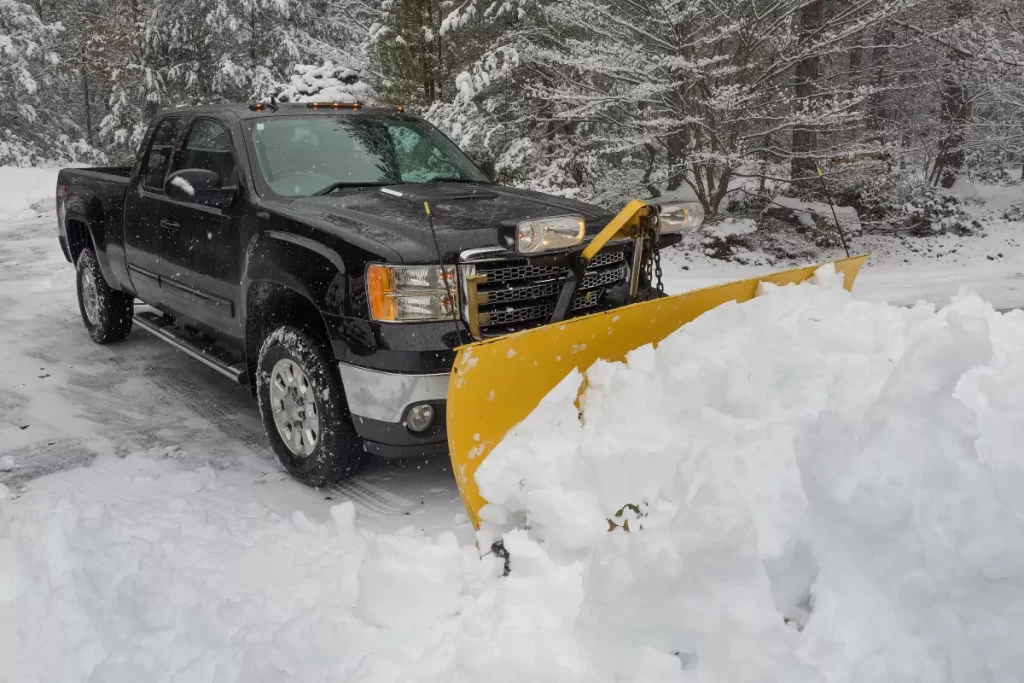
Local Climate Considerations
Brampton experiences cold winters with frequent snowfalls and occasional ice storms. Snow depths can vary significantly during the season, requiring rapid response to prevent business disruption. Temperatures often drop below freezing, which leads to persistent ice buildup on surfaces.
Service providers must be prepared with equipment that handles heavy snow removal and ice control. Timing is critical; prompt clearing reduces slip hazards and maintains accessibility. Businesses should coordinate contracts based on snowfall frequency and severity, as delays can result in fines or customer safety issues.
Types of Properties Served
Commercial snow removal in Brampton focuses on a diverse range of properties including retail centers, industrial sites, office parks, and multi-tenant buildings. Each property type demands tailored services.
For example, large parking lots require powerful plow trucks and efficient snow hauling. Sidewalks and walkways, especially in retail areas, need detailed shovel work and de-icing agents to maintain safe pedestrian access. Industrial facilities often require clearing heavy-duty loading zones. Service providers must understand these nuances to deliver specialized solutions.
Regulations and Compliance
Brampton enforces strict bylaws on snow and ice removal, requiring businesses to clear sidewalks and parking areas quickly after storms. Failure to comply can result in fines and legal liabilities.
Commercial services must provide documentation proving timely and thorough snow clearing. Many providers offer real-time updates to track compliance and scheduling. Understanding these rules helps businesses avoid penalties and maintain a safe environment for employees and customers. Compliance also includes environmental considerations, such as proper use of salt and sand to protect municipal water supplies.
What Is Per Push Snow Removal?
Per push snow removal is a pay-as-you-go service where businesses are invoiced individually for each snow clearing event. This model offers flexibility for managing costs based on actual snow events rather than a fixed seasonal fee. It involves billing methods, scheduling protocols, and specific use cases where it best applies.
How Per Push Pricing Works
Per push pricing charges clients for every separate snow removal operation, commonly known as a “push.” The fee depends on the size of the property, the depth of the snow, and the complexity of clearing. This approach allows businesses to avoid upfront large payments.
Costs are typically calculated based on factors such as the area to be cleared and required equipment. Additional services like salting or hauling can increase the charge. This model suits those who want control over spending and only pay for the services rendered.
Billing and Scheduling
Billing occurs after each snow event, often with an invoice sent within days of service. Scheduling depends on weather conditions and snowfall, with providers monitoring forecasts. Upon meeting agreed snow depth thresholds, the provider initiates snow removal.
Clients usually do not pay in advance and can track service occurrences. Response times vary but most commercial services aim to clear snow promptly to maintain safety for customers and employees. Communication during storms is standard to inform about service timing.
Best Use Cases for Per Push Model
This model is ideal for businesses in regions with unpredictable or light snowfall where full-season contracts may lead to high, unused fees. It suits property owners seeking maximum cost control without long-term commitments.
Per push contracts benefit those who prefer paying only after confirmation of work, such as retail stores or small commercial lots. It is less ideal for areas with heavy snowfall where frequent service would add up in cost and make budgeting difficult.
What Are Seasonal Snow Removal Contracts?
Seasonal snow removal contracts set fixed terms for snow management throughout the winter months. They define the scope of services, pricing, and timing, allowing businesses to plan for winter while avoiding surprise costs.
Contract Structure and Terms
A seasonal contract typically covers all snow removal needs over a designated period, often from November to March. Clients pay a flat fee based on historical snowfall data and property size. This fee remains constant regardless of how many snow events occur.
Contracts usually specify response times, minimum snowfall triggers for service, and the exact areas covered, such as parking lots, sidewalks, and entrances. Many agreements include clauses on ice management and emergency services. Signing before winter ensures priority service and avoids last-minute delays.
Included Services
Services under seasonal contracts generally include snow plowing, shoveling, de-icing, and salting. They cover multiple visits as needed during the contract period without extra charges per event.
Many contracts also include snow relocation or removal for properties with space constraints. Ice control is often incorporated through spreading salt or environmentally safer alternatives to prevent hazards. The comprehensive nature helps facilities maintain safety and accessibility throughout winter.
Benefits of Predictable Pricing
Fixed pricing stabilizes budgeting by eliminating variable costs tied to individual snow events. Businesses can forecast winter expenses without unexpected increases from frequent snowfalls.
This model often results in faster service since contractors prioritize seasonal clients over per-event customers. It reduces liability by keeping properties consistently clear and compliant with local regulations. Predictable pricing supports uninterrupted operations and less downtime during winter.
Comparing Per Push and Seasonal Contracts
Choosing between per push and seasonal snow removal contracts involves balancing cost, reliability, risk, and flexibility. Each contract type offers distinct advantages depending on the property’s needs and winter conditions anticipated.
Cost Implications
Per push contracts charge property owners for each snow removal event. This pay-as-you-go model can lead to lower expenses in winters with light or infrequent snowfall. However, costs can rise quickly during heavy snow seasons, sometimes exceeding seasonal contract fees.
Seasonal contracts involve a fixed fee for the entire winter, typically based on historical snowfall data. This flat-rate model offers predictable expenses and often includes unlimited service visits. This approach helps with budgeting but may seem costly if snowfall is below average.
Businesses should assess previous winter patterns and financial tolerance for variability when deciding which cost structure aligns best with their budget.
Service Reliability
Seasonal contracts guarantee priority service throughout winter, ensuring properties are cleared promptly regardless of snowfall frequency. These contracts typically include snow plowing, hauling, and ice melt applications as part of a comprehensive service.
Per push contracts do not guarantee immediate or frequent service since payment is event-based. During high-demand periods, service delays may occur due to scheduling or resource availability. This can be risky for businesses that require consistent snow and ice removal.
The choice depends on whether uninterrupted accessibility is critical for operations or if occasional delays are acceptable.
Risk Management
Seasonal contracts reduce liability risks by ensuring continuous snow removal, minimizing slip-and-fall hazards and operational disruptions. Legal exposure decreases when properties are consistently maintained throughout winter.
Per push agreements place more risk on the property owner, who must monitor service needs and request snow removal as conditions demand. Missed events might lead to unsafe walkways or parking areas, increasing potential liabilities.
For property managers concerned about compliance and safety, seasonal contracts often provide a more secure risk management strategy.
Flexibility
Per push contracts offer greater flexibility for those wanting to avoid upfront fees or who expect minimal snowfall. Payments occur only when services are performed, allowing users to adjust spending according to actual winter conditions.
Seasonal contracts bind clients to a full winter agreement regardless of snowfall, which limits financial flexibility but guarantees broad coverage. Some seasonal contracts may offer add-ons or adjustment clauses, but changes are generally limited once agreed.
Assessing winter volatility and operational priorities helps determine which contract type aligns better with the desired level of control and adaptability.

Choosing the Right Snow Removal Option for Your Business
Deciding between per push and seasonal snow removal contracts involves evaluating operational demands, financial constraints, and timing requirements. Each factor directly impacts how effectively a business can maintain safety and accessibility during winter.
Property Size and Usage
The scale and function of a commercial property are primary factors for selecting a snow removal option. Larger properties or those with high traffic volume typically benefit from seasonal contracts. These contracts ensure consistent service, minimizing downtime and safety risks.
Smaller properties or locations with sporadic use might find per push contracts more cost-effective. This approach charges only when snow accumulation reaches a threshold, avoiding fixed costs during light winters. Businesses must consider parking area dimensions, loading zones, sidewalks, and entry points to assess the needed service frequency.
Budget Planning
Budgeting for snow removal requires balancing predictable expenses against potential variable costs. Seasonal contracts offer fixed prices, allowing businesses to allocate funds upfront and avoid unexpected surcharges during heavy snowfall.
Alternatively, per push contracts may result in lower costs in winters with lighter snow but can become expensive if multiple snow events occur. Businesses should analyze historical snowfall data in Brampton and weigh financial flexibility against risk tolerance.
Using a simple comparison like this helps clarify options:
| Contract Type | Cost Predictability | Risk of Overpayment | Ideal for |
|---|---|---|---|
| Seasonal | High | Low | Larger, active sites |
| Per Push | Low | High | Small, occasional use |
Contract Length Considerations
The duration of the snow removal contract influences service continuity and responsiveness. Seasonal contracts usually cover the entire winter period, offering scheduled maintenance and prompt response to every snow event.
Per push contracts grant more flexibility but may involve delays if the provider handles many clients or requests come in outside of standard hours. Businesses with critical operational requirements often prefer seasonal agreements to ensure immediate attention.
It is important to check contract clauses about cancellation policies, emergency service availability, and liability coverage to align with operational priorities and risk management strategies.
Evaluating Snow Removal Providers in Brampton
Choosing the right snow removal provider involves careful consideration of several factors. Critical aspects include the provider’s track record, the quality and modernity of their equipment, and their ability to respond quickly during snow events. These elements directly impact safety, efficiency, and cost management for commercial properties.
Experience and Reputation
Experience is a key indicator of a snow removal company’s reliability. Providers with a long history in Brampton typically understand the specific challenges posed by local weather and terrain. Companies known for consistent service tend to have established relationships within the community and proven methods to minimize disruption.
Reputation is often built through customer reviews and industry recognition. High ratings on platforms like Yelp or TrustedPros can signal dependable service. It’s important to look for providers who are transparent about their contracts and have positive feedback on their communication and problem-solving during severe weather.
Equipment and Technology
The quality and type of equipment used determine how effectively snow removal is performed. Leading companies in Brampton deploy powerful plow trucks alongside smaller machines for tight spaces. Using specialized equipment such as salt spreaders and snow blowers helps maintain clear surfaces without damaging property.
Technology also plays a role, particularly GPS tracking and real-time status updates. This allows commercial clients to monitor progress and anticipate service timing, ensuring minimal disruption to daily operations. Providers investing in advanced machinery and technology are generally better prepared to handle snowfall efficiently.
Response Times
Timeliness is crucial during snow events to maintain safety and operational continuity. Providers in Brampton who guarantee rapid dispatch often use detailed scheduling and route optimization to meet deadlines consistently. Quick response prevents ice buildup and reduces liability risks.
Response times should be clearly stated in the contract. The best companies offer real-time updates and flexible service options, including emergency calls outside regular hours. Delays can affect business operations and increase costs, so choosing a provider with proven promptness is essential.
Key Contract Details to Review
Careful evaluation of contract specifics can protect against unexpected costs and liability. Clear definitions of responsibility, exact tasks included, and measurable performance standards are crucial for a successful snow removal agreement.
Liability and Insurance
The contract should explicitly state who is responsible for damage caused during snow removal operations. It must include proof of the contractor’s liability insurance, covering both property damage and bodily injury.
Clients should verify that the policy limits are sufficient to cover potential claims. Workers’ compensation coverage is also essential to protect the client from claims if workers are injured on site.
A clause addressing indemnification protects the client from legal liability by shifting responsibility to the contractor for incidents resulting from their work. This clarity helps prevent costly disputes during the winter season.
Scope of Work
The scope of work outlines all services the contractor will perform and their limits. This includes snow plowing, snow hauling, ice removal, and application of de-icing materials.
It is important to specify exact areas included, such as parking lots, sidewalks, entrances, and loading docks. The contract should identify any exclusions to avoid confusion.
Additionally, defining the service triggers is essential—whether snow removal begins after a certain snowfall depth or upon request. This ensures expectations align and no work is missed.
Service Level Agreements
Service Level Agreements (SLAs) detail performance standards like response time and frequency of visits. For example, the contractor might be required to start plowing within two hours after snowfall ends.
The SLA should also cover removal completeness and quality standards. This could include criteria such as clearing aisles wide enough for vehicles and removing accumulated snow piles from critical zones.
Penalties or remedies for missed deadlines or inadequate service may be included to guarantee reliability. These terms are vital for maintaining safety and operational flow during harsh weather.
Protect Your Business from Winter Liability One slip-and-fall accident can cost you more than a whole season of plowing. Ensure your property is safe, salted, and accessible 24/7 with the professional fleet at Lifetime Building Services. Ready for peace of mind? Call us at 905-564-0162