
Choosing the right driveway in Canada is not just a design choice. It is a decision that affects safety, durability, maintenance costs, and property value for decades. With long winters, freeze and thaw cycles, heavy snow, and road salt, Canadian driveways face conditions that quickly destroy poorly chosen materials.
The two most common options for homeowners are concrete and asphalt. Both can work well in Canada, but they perform very differently depending on climate, installation quality, and long term expectations. This guide explains the real differences so you can make the right decision for your home.
Why Canadian Winters Are Hard on Driveways
In Canada, driveways go through constant stress. Water seeps into small cracks, freezes, expands, and forces the surface apart. Snowplows scrape the top layer. Deicing salts eat away at the finish. Spring melt saturates the base, causing movement and sinking.
If a driveway is not designed for these conditions, it will crack, heave, and deteriorate far earlier than expected. This is why material choice and professional installation are critical.
Asphalt Driveways: Flexible and Winter Friendly
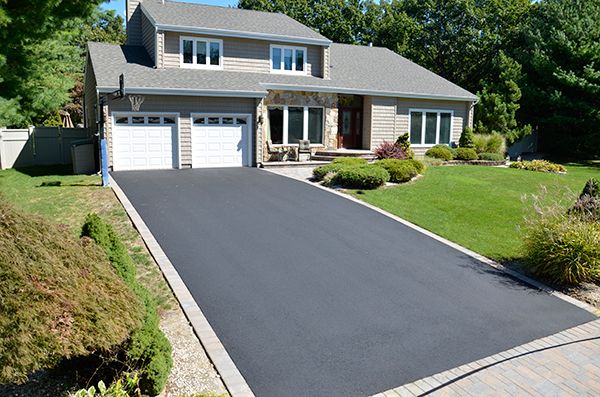
Asphalt remains one of the most popular driveway materials in Ontario and across Canada, especially in areas with frequent freeze and thaw cycles.
The reason is simple. Asphalt is flexible. It can expand and contract as temperatures change, which helps it survive harsh winters better than many rigid surfaces.
When Asphalt Makes Sense
Asphalt is often the better choice if you want a cost effective solution that performs well in cold climates. It provides good traction in winter, absorbs heat from the sun, and helps melt snow faster than concrete. Repairs are also simpler and less noticeable.
For many homeowners, asphalt offers a reliable and practical driveway that can last 15 to 25 years with proper maintenance.
Limitations of Asphalt
Asphalt does require ongoing care. It should be sealed every few years to prevent water penetration and cracking. Without maintenance, it will deteriorate quickly. It also has a shorter lifespan and can soften slightly during extreme summer heat.
Concrete Driveways: Strong, Long Lasting, and High Value
Concrete driveways are chosen by homeowners who want a long term investment with minimal maintenance. When installed properly, concrete can last 30 to 40 years or more, even in Canadian climates.
Modern concrete mixes, proper base preparation, air entrainment, and control joints have made concrete far more reliable in cold weather than it was in the past.
Why Homeowners Choose Concrete
Concrete offers a clean, premium appearance that instantly improves curb appeal. It resists oil stains, supports heavy loads, and adds real value to your home. It also requires far less maintenance than asphalt over its lifetime.
Decorative options like stamped concrete and exposed aggregate allow homeowners to create a custom look while still maintaining durability.
Risks of Poor Installation
Concrete is less forgiving than asphalt if installed incorrectly. Without proper joints and drainage, freeze and thaw cycles can cause cracking. Repairs are also more visible than asphalt, which is why professional installation is essential.
Concrete vs Asphalt Performance in Canadian Winters
Asphalt performs better in extreme temperature swings because of its flexibility. Concrete performs better over the long term when installed correctly and maintained properly. The right choice depends on your priorities.
If you value lower upfront cost and winter traction, asphalt is usually the better option.
If you value long lifespan, appearance, and minimal maintenance, concrete is the smarter investment.
Cost Comparison in Canada
Asphalt driveways typically cost between 6 and 12 dollars per square foot installed. Concrete driveways usually range from 10 to 18 dollars per square foot depending on finish and preparation.
While asphalt is cheaper initially, concrete often costs less over time due to its longer lifespan and lower maintenance requirements.
What Matters More Than Material: Installation
Most driveway failures in Canada are not caused by the material itself. They are caused by poor base preparation, weak drainage, incorrect mix design, or shortcuts during installation.
A properly installed asphalt driveway will outperform a poorly installed concrete one every time. Choosing an experienced contractor who understands Canadian soil and climate is more important than choosing between materials.
Which Driveway Should You Choose
Choose asphalt if you want affordability, flexibility, and strong winter performance.
Choose concrete if you want durability, long term value, and a premium finish.
Both options can work exceptionally well in Canada when installed correctly. The best driveway is the one that matches your budget, climate, and long term plans.
Professional Driveway Installation Built for Canadian Weather
At Lifetime Building Services, we install concrete and asphalt driveways designed specifically for Canadian winters. Every project is built with proper base preparation, drainage, and materials that stand up to freeze and thaw cycles.
If you are planning a new driveway or replacing an old one, visit
https://lifetimebuildings.ca/ to request a quote and speak with a professional contractor who understands Canadian conditions.