
You’ll find practical cost ranges and clear factors to help plan your kitchen cabinet and countertop budget for Brampton and Mississauga without guesswork. Expect typical cabinet and countertop projects to span from modest, budget friendly options up to high end custom jobs, with average mid range remodels commonly landing in the tens of thousands of dollars depending on materials, layout changes, and labor.
This article breaks down local price drivers cabinet types, countertop materials, labor and permit needs and pinpoints where you can save or where splurging makes sense. You’ll get actionable guidance on realistic budgets, common extra costs to watch for, and how to choose a contractor in the two cities so your next remodel stays on track.
Average Kitchen Cabinet and Countertop Costs in Brampton & Mississauga
Expect cabinet and countertop costs to vary mainly by material choice, cabinet style, and kitchen size. Labor and installation can add 20~40% to material costs, and local demand in Brampton and Mississauga pushes contractor rates toward the higher end of Ontario averages.
Cost Breakdown by Material
Cabinets:
- Stock (laminate/thermofoil): $4,000–$8,000 for a small kitchen; durable finishes but limited sizes.
- Semi-custom (painted MDF/laminate with options): $8,000–$20,000; better fit and more door styles.
- Custom (solid wood, built-ins): $20,000–$50,000+; highest quality and full customization.
Countertops:
- Laminate: $800–$2,000; lowest-cost resurfacing option.
- Quartz: $2,000–$6,000 depending on slab quality and edge profile.
- Granite: $2,000–$7,000; natural variation affects price.
- Solid surface (Corian): $1,500–$4,000.
You’ll often pair midrange cabinets with quartz for the best long-term value. Ask suppliers about warranty terms and whether fabrication and templating are included.
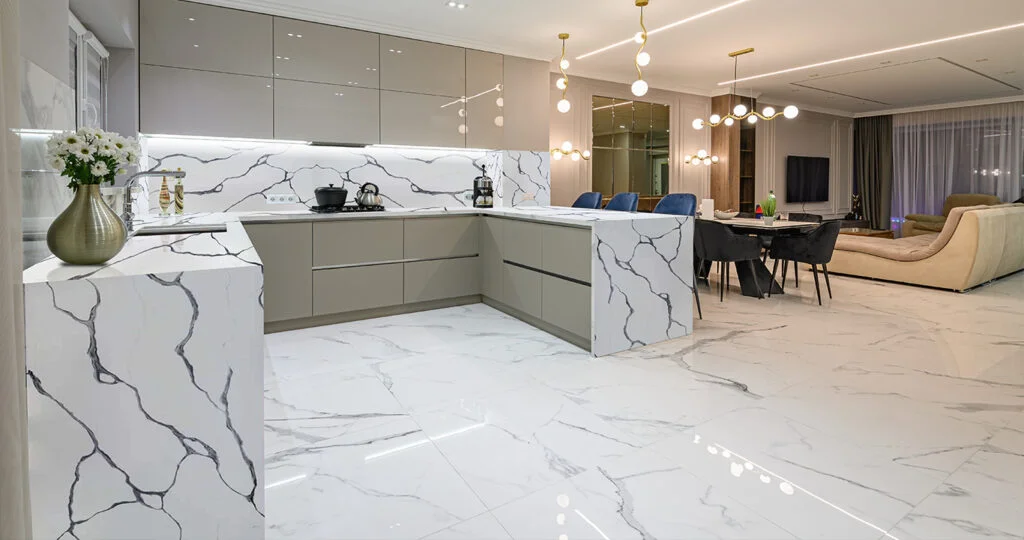
Price Ranges for Different Kitchen Sizes
Small kitchens (under 100 sq ft):
- Cabinets: $4,000–$12,000.
- Countertops: $800–$3,000. These projects usually use stock or semi-custom cabinets and simple countertop layouts.
Medium kitchens (100–200 sq ft):
- Cabinets: $10,000–$30,000.
- Countertops: $1,800–$5,000. Expect higher costs if you include islands, full-height backsplashes, or integrated appliances.
Large kitchens (200+ sq ft or open-plan):
- Cabinets: $20,000–$50,000+.
- Countertops: $3,500–$8,000+. Custom cabinetry, long slab runs, and complex island countertops drive prices upward. Factor in wasted slab area for irregular layouts.
Budgeting for Labor and Installation
Labor typically adds 20–40% of material costs in Brampton and Mississauga. Expect hourly or per-project rates for carpenters, cabinet installers, and countertop fitters general contractor markup can add another 10–20%.
Permits and trades:
- Electrical and plumbing changes increase labor by $1,000–$4,000 depending on scope.
- Demolition and disposal run $500–$2,000.
Installation steps affecting cost:
- Templating and slab fabrication for stone often billed separately.
- Cabinet installation and adjustment allow 1–3 days for a medium kitchen.
- Countertop templating, fabrication lead time 2–3 weeks for quartz/granite.
Get written quotes that separate materials, fabrication, and labor. Compare at least three installers and verify references to reduce risk of hidden fees.
Factors Influencing Cabinet Costs
Cabinet costs hinge on three main drivers: the level of customization, the complexity of design and hardware, and the materials chosen. Each factor affects price, lead time, and long-term durability in measurable ways.
Custom vs. Stock Cabinets
Choosing stock cabinets saves money because they’re mass-produced in standard sizes and finish options. Expect lower unit prices and shorter lead times, but limited sizing means you may need filler panels or layout compromises that can raise installation costs.
Semi-custom cabinets let you adjust dimensions, finishes, and some moldings. They cost more than stock but less than full custom, and they reduce waste in irregular spaces while offering a broader aesthetic range.
Fully custom cabinets are built to your specifications and fit odd layouts or integrated features precisely. They command the highest price due to shop labor, unique door styles, and specialty finishes. Factor in longer fabrication times and potential design fees when budgeting.
Impact of Cabinet Design and Features
Door style, drawer construction, and hardware choices directly increase price. Flat-panel doors tend to be cheaper; raised-panel or inset doors require extra machining and skilled fitting, adding labor costs. Full-extension soft-close drawers and undermount slides raise the per-drawer cost but improve functionality and longevity.
Integrated features like pull-out pantries, appliance garages, built-in garbage systems, and concealed hinges add both material and installation time. Lighting, glass doors, and open shelving introduce finishing and wiring costs. Plan which features you use most to prioritize spending.
Labor complexity also scales with design: intricate crown molding, tall cabinetry to ceiling, or island banks require more on-site adjustments and skilled installers. Include a contingency of 5–15% for unforeseen fitment or trim work.
Material Selection for Cabinets
Material choice drives both upfront cost and lifespan. Common options include:
- Particleboard/laminate: Lowest cost; resistant to surface wear but vulnerable to moisture and edge damage.
- MDF with veneer or thermofoil: Mid-range price; smooth painted finish, better stability than particleboard.
- Plywood: Higher durability and moisture resistance; commonly used for cabinet boxes in higher-quality builds.
- Solid wood: Highest material cost; prized for door faces and visible trim, varies by species (maple, oak, cherry).
Hardware and finish also affect total cost. High-quality hinges, soft-closing mechanisms, and solvent-cured paints add to price but reduce maintenance. For kitchens in Brampton and Mississauga, factor local climate and humidity plywood or sealed MDF cabinets typically perform better than cheaper engineered cores in the long term.
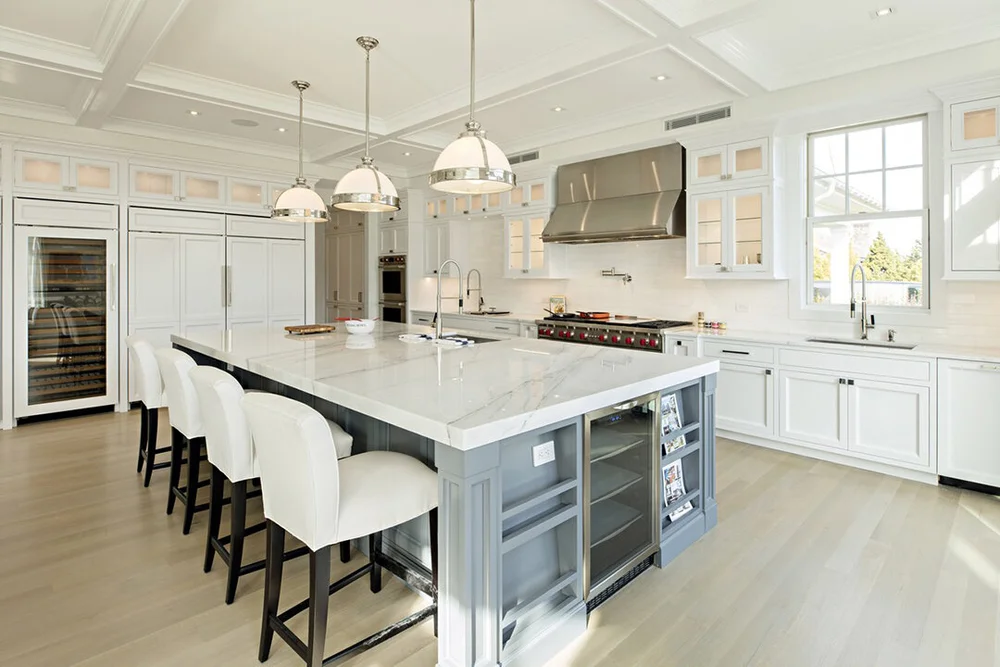
Countertop Pricing and Options
You’ll choose material, edge, thickness, and slab size to balance cost, durability, and style. Prices in Brampton and Mississauga typically vary by material type, fabrication complexity, and installation labor.
Popular Countertop Materials
Quartz: Engineered quartz ranges from moderate to high cost but resists staining and requires no sealing. Expect consistent color and patterns; ideal if you want low maintenance and long-term durability.
Granite: Natural granite prices vary widely depending on rarity and slab size. You’ll get unique veining and high heat resistance, but plan for periodic sealing and potential seam placement on larger runs.
Marble: Marble commands premium pricing for classic veining and luxury appeal. It scratches and stains more easily, so choose marble only if you accept higher maintenance and careful use.
Laminate & Solid Surface: Laminate offers the lowest upfront cost and many colors; it’s less heat- and scratch-resistant. Solid surface (e.g., Corian) sits between laminate and quartz in price, allows seamless joins, and repairs more easily.
Butcher Block & Stainless Steel: Butcher block suits warm, rustic kitchens and needs oiling; costs vary by wood species. Stainless steel suits commercial-style kitchens and resists heat, but it shows scratches and fingerprints.
Edge Profiles and Finishing Touches
Edge choice affects both aesthetics and price; more complex edges require more time and thicker slabs. Common economical options include straight/ eased and beveled edges. These offer clean looks and minimal added labor.
Mid-range edges such as bullnose or rounded add a softer look and carry moderate extra cost. Full bullnose on thick slabs uses more material, so expect higher pricing.
Premium edges ogee, waterfall, or multi-step profiles require skilled fabrication and raise labor costs noticeably. Integrated sinks, under-mount installation, and waterfall end panels each add to fabrication complexity and installation time.
Finish type (polished, honed, leathered) changes appearance and maintenance. Polished surfaces cost standard; honed or leathered finishes may add small fabrication charges depending on the stone and local shop rates.
Thickness and Slab Size Considerations
Standard countertop thicknesses are 2 cm (3/4″) and 3 cm (1 1/4″); 3 cm typically costs more but reduces need for plywood substrate and seams. If you pick 2 cm and want a thicker look, shops often add a 1 cm laminate edge—which increases labor but can be cheaper than full 3 cm.
Large, uninterrupted runs require larger slab pieces and fewer seams; that reduces seam labor but raises material cost because premium slabs are larger. For islands and peninsulas, verify slab dimensions with your fabricator to avoid seam placement in high-use areas.
Backsplash height, overhangs, and cutouts (for cooktops, sinks, faucets) add to fabrication and install charges. Always request a written estimate showing material cost, fabrication, seam charges, edge work, and installation separately so you can compare bids accurately.
Additional Expenses to Consider
Expect several line items beyond cabinets and countertops that can add to your final invoice. These include labor for tearing out old materials, hauling and delivery fees, and any municipal permits or inspections required for plumbing or electrical changes.
Demolition and Removal Fees
You’ll often pay a separate charge for demolishing existing cabinets, countertops, and flooring. Typical fees in Brampton and Mississauga range from a few hundred dollars for a simple galley kitchen to $1,000–$2,000 for larger or multi-stage removals that include careful disassembly of salvaged items.
If hazardous materials (like lead paint or older adhesives) are present, expect higher costs for safe removal and disposal. Contractors may add hourly labour rates for demo work, so request a fixed demo line item in your quote to avoid surprises. Ask whether the price includes dumpster rental, site cleanup, and disposal fees; leaving those out can add several hundred dollars.
Delivery and Transportation Charges
Delivery costs depend on distance, delivery method, and item size or weight. Standard flat-rate delivery for stocked cabinetry might be $75–$200 within the GTA, while large slabs of stone or appliance delivery with white-glove service can be $150–$500 or more.
Ask whether quotes include curbside drop-off only or full inside placement and service. Some suppliers charge extra for stairs, long carries, or condo unit deliveries. If you need expedited delivery to meet project timelines, factor in rush fees; these are commonly 10–20% above regular delivery charges.
Permits and Compliance Costs
Permits are required when you change plumbing, move walls, or alter electrical systems. Typical permit fees in Brampton and Mississauga vary: minor electrical or plumbing permits often start around $100–$300, while structural or combined permits can reach $500–$1,500 depending on scope.
Hiring a licensed electrician or plumber to pull permits and pass inspections adds labour costs. Ensure your contractor includes permit application fees and inspection visits in the estimate. If your renovation affects condo common elements or requires committee approval, budget for administrative fees and possible engineering reports.
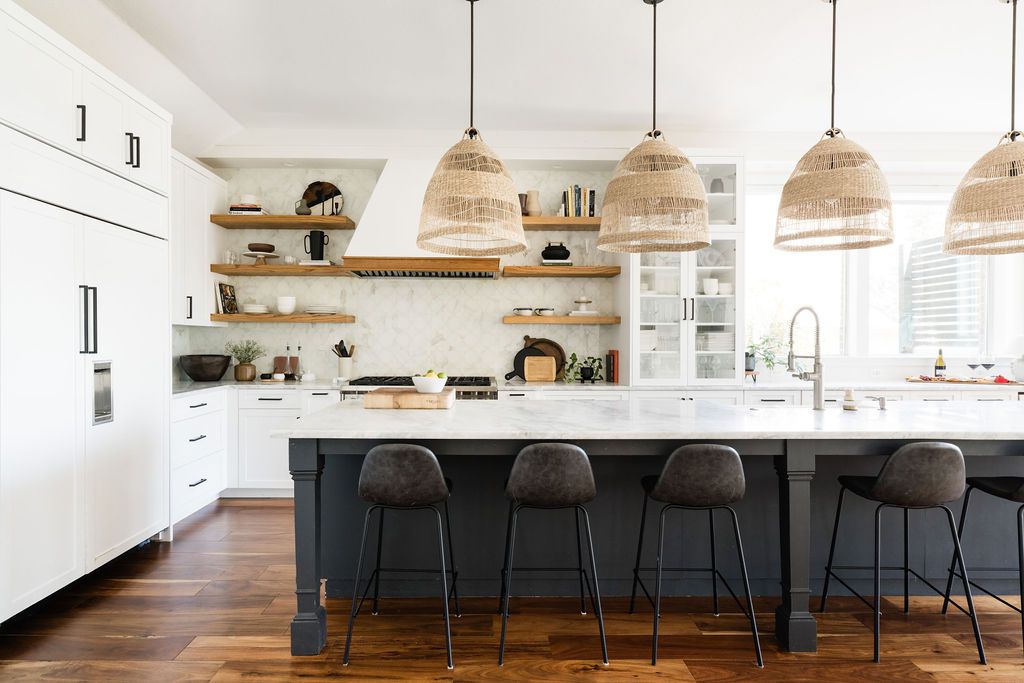
Cost-Saving Tips for Kitchen Renovations
Prioritize decisions that reduce labor and material expenses without compromising function. Focus on cabinet choices, countertop material, and timing to get the most savings per dollar.
Selecting Value-Driven Materials
Choose plywood- or MDF-faced cabinets with durable veneer or painted finishes instead of full solid-wood boxes; you keep a professional look while cutting material cost by 20~40%. Opt for semi-custom or slab-style cabinet doors to reduce joinery charges and speed installation.
For countertops, consider quartz-look engineered stone vs. premium quartz, or butcher block in work areas combined with laminate in low-use zones. Use 2–3 standard slab sizes to minimize seams and waste; fabricators charge more for small, irregular pieces. Select cost-effective edge profiles (straight or eased) instead of complex bullnose or waterfall edges to lower fabrication time and price.
Buy appliances and fixtures during major sale periods, and match standard cabinet heights and widths to avoid custom modifications. Refinish or repaint existing cabinet boxes when the frames are sound; replacing only doors and hardware can save 40~60% versus full replacement.
Phased Renovation Approaches
Break the project into phases that let you spread cost and preserve functionality. Start with work that changes layout or plumbing—cabinets and countertops—so you avoid redoing cosmetic finishes later. Do cabinets and counters first, then lighting and flooring in a second phase if budget limits exist.
Keep one functional sink and appliance at a time to reduce the need for temporary rentals or eating out. Schedule demolition and rough-in work together to avoid repeated trades’ mobilization fees. If you expect resale in 3–5 years, focus spending on durable surfaces and visible finishes rather than high-end custom millwork; you’ll recover more of the expense.
Create a prioritized punch list and a contingency line (5–10%) to prevent stopping mid-project when unexpected costs appear.
Choosing a Reliable Contractor in Brampton & Mississauga
Focus on contractors with local experience, clear written estimates, and verifiable references. Prioritize firms that show samples of completed projects, carry proper licensing, and offer transparent timelines and payment schedules.
Comparing Quotes and Services
Request at least three written quotes that break down labor, materials, disposal, and permit fees. Compare line items such as cabinet box type (plywood vs. MDF), door construction (solid wood vs. thermofoil), countertop material (quartz, granite, laminate), and edge profiles.
Check whether the quote includes site measurement, template fees, and installation labor hours. Note any allowances or provisional sums for unexpected work like subfloor repairs or plumbing relocations.
Ask for a detailed project schedule with milestones (demo, rough-in, cabinet install, countertop templating, final trim). Confirm who manages subcontractors and how change orders will be approved and priced.
Verify insurance and WSIB (if hiring in Ontario) and look up online reviews from Brampton and Mississauga customers. Prioritize contractors that offer showroom visits or on-site mockups so you can evaluate finishes before ordering.
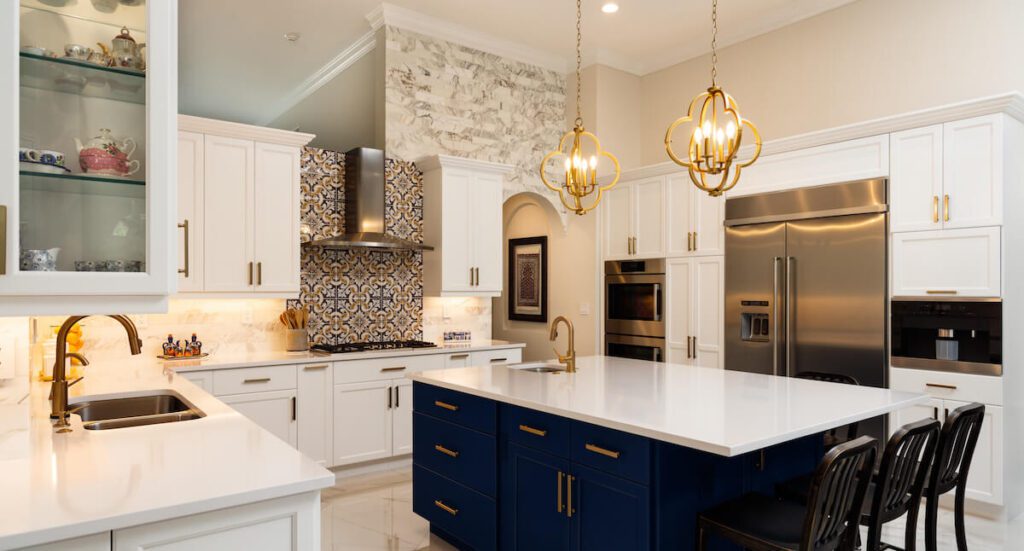
Understanding Warranty and Aftercare
Ask for written warranties covering cabinets, hardware, and countertop seams, and note length and scope (manufacturing defects vs. wear-and-tear). Confirm whether the contractor’s warranty is separate from the manufacturer’s and how claims are handled.
Request a post-install checklist that covers gap tolerances, hinge alignment, caulking, and countertop seam inspection. Agree on a defect correction window (commonly 30–90 days) and the process for emergency issues like water damage or countertop lifting.
Clarify who pays for return visits and parts under warranty. Keep receipts, the final invoice, and warranty documents in one folder. That documentation speeds repairs and protects you if a dispute arises.
Recent Trends Affecting Kitchen Cabinet and Countertop Prices
You’ll see prices influenced mainly by material availability, shipping costs, and rising demand for low‑emission and recycled products. Expect thicker regional price differences in Brampton and Mississauga depending on lead times and local installer capacity.
Supply Chain and Market Fluctuations
Shipping delays and higher freight rates have pushed lead times for imported cabinet components and quartz slabs from several weeks to months. That often forces you to choose in‑stock or local options, which can raise cost by 10–25% compared with planned imports.
Labor shortages and high renovation activity in the Greater Toronto Area increase installation premiums. Local cabinetmakers may charge more for rush schedules or complex installs, while off‑the‑shelf stock cabinets remain the most cost‑predictable route.
Price volatility also differs by material: laminate and stock MDF cabinets hold stable pricing, while solid wood, engineered stone, and custom millwork show larger swings. You should get firm, written timelines and include contingency funds for delayed deliveries.
Eco-Friendly and Sustainable Options
Choosing low‑VOC finishes, FSC‑certified wood, or recycled-content countertops typically adds 5–20% to material costs but can reduce long‑term maintenance and improve resale appeal. You’ll pay premiums for certified supply chains and documented sustainability claims.
Recycled quartz, paperstone, and reclaimed-wood cabinetry require more specialized fabrication, which increases labor costs and lead times. Yet some manufacturers in Ontario now offer semi-custom eco lines that narrow the price gap with conventional products.
Incentives and local demand can offset costs. You may find rebates, trade‑in programs, or higher resale value in eco‑conscious neighborhoods, so get written product certifications and compare lifecycle warranties before committing.
Upgrading your kitchen cabinets and countertops is one of the best investments you can make in your home’s value and your daily life. But you don’t have to navigate the costs, materials, and installation process alone.
At Lifetime Building Services, we handle everything from custom cabinetry design to flawless countertop installation, ensuring your project stays on budget and exceeds your expectations.
Get a Free, No-Obligation Estimate Today! Our team is ready to answer your questions and help you plan your perfect kitchen in Brampton or Mississauga.
- 📞 Call Us: 905-564-0162
- ✉️ Email Us: info@lifetimebuildings.ca