
Basement renovations in Toronto are evolving to meet the needs of modern homeowners who want both style and function. In 2025, the focus is on creating versatile spaces that serve multiple purposes while incorporating smart technology and sustainable design elements. These updates transform basements from underutilized areas into valuable extensions of living space.
The top basement renovation trends in Toronto for 2025 emphasize multifunctional layouts, smart home integration, and eco-friendly materials that enhance comfort and efficiency. These trends reflect a shift toward practical living solutions that add real value to homes without sacrificing aesthetic appeal.
Homeowners are also prioritizing wellness and entertainment features, making their basements private retreats or dynamic social hubs. Exploring these trends provides insight into how basement renovations can meet diverse lifestyle demands in Toronto’s competitive housing market.
Innovative Layouts and Open-Concept Designs
Basement renovations in Toronto for 2025 focus on open spaces and smart design to improve functionality. Homeowners are prioritizing ways to create connected areas that feel large, bright, and flexible for varied uses.
Maximizing Usable Basement Space
Removing unnecessary walls is key to increasing usable square footage. Open-concept designs allow for continuous sightlines and easier movement.
Using multi-functional furniture like storage ottomans, fold-away desks, and modular seating helps adapt the space for different activities without clutter. Vertical storage solutions optimize otherwise unused wall space.
Designers suggest creating clear paths through the basement while keeping seating and entertainment areas distinct to avoid overcrowding. Built-ins and custom cabinetry are popular for integrating storage without sacrificing floor space.
Zoning for Multi-Functional Rooms
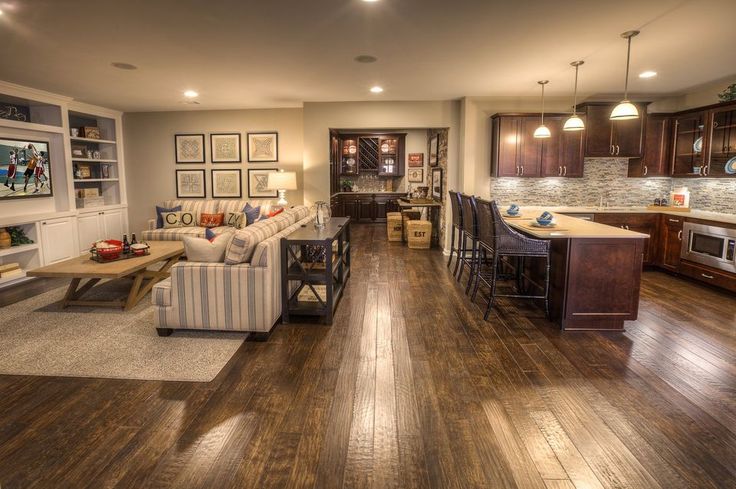
Defining separate zones within an open basement supports diverse uses like work, play, or relaxation without full walls. Rugs, lighting variations, and furniture arrangements visually separate these areas.
For example, one corner could house a home office with a desk and shelving, while another contains a family entertainment center with a TV and lounge seating. A small bar or game table section can serve as a social spot.
This layout encourages flexibility. Zones can evolve to meet changing family needs, such as converting a workout space to a guest suite.
Incorporating Natural Light
Basements often lack natural light, but new designs prioritize maximizing every source. Enlarged egress windows and window wells bring in daylight and improve ventilation.
Glass doors or interior windows between the basement and upper floors enhance light flow. Reflective surfaces like light-colored paint, glossy floors, and strategically placed mirrors also brighten the basement.
Lighting plans integrate layered options—from overhead fixtures to task and accent lighting—to support day and night use while maintaining an open, inviting atmosphere.
Sustainable and Energy-Efficient Upgrades
Basement renovations in 2025 emphasize materials and systems that reduce environmental impact while enhancing energy savings. Integrating durable, non-toxic products and advanced climate solutions creates healthier, more efficient basements.
Eco-Friendly Building Materials
Using sustainable materials limits environmental damage and improves indoor air quality. Popular choices include recycled steel framing, bamboo flooring, and low-VOC paints, which reduce harmful emissions.
Builders prioritize renewable resources and materials with high durability to extend basement lifespan. These typically require less maintenance and replacement, lowering long-term waste.
Selecting products certified by organizations like FSC or GREENGUARD ensures adherence to strict environmental standards. These certifications help homeowners verify the sustainability of their renovation choices.
Advanced Insulation Solutions
Effective insulation cuts energy costs by improving temperature control. Spray foam insulation is favored for its superior air sealing, preventing drafts and moisture penetration common in basements.
Rigid foam boards and mineral wool also provide excellent thermal resistance while meeting fire safety codes. They contribute significantly to maintaining consistent indoor temperatures.
Proper insulation minimizes reliance on heating and cooling systems, reducing energy consumption. This creates a more comfortable basement environment year-round.
Smart Climate Control Systems
Smart thermostats and ventilation systems optimize energy usage by adjusting settings based on occupancy and environmental conditions. These systems can be controlled remotely for convenience and efficiency.
Heat recovery ventilators (HRVs) improve air quality by exchanging stale indoor air with fresh outdoor air while retaining heat. This reduces energy waste linked to ventilation.
Integration with home automation allows coordination between basement climate controls and other areas, enhancing overall energy management across the home.
To Conclude, Basement renovations in Toronto are evolving quickly, with homeowners prioritizing flexible layouts, smart tech, and sustainable choices that make every square foot more livable, efficient, and valuable. Here’s a clean wrap-up to reinforce your key points and give readers a clear next step.
Ready to bring these trends to life? Speak with Lifetime Buildings for a tailored basement plan, transparent pricing, and a build schedule that fits your goals book a quick consultation to get started.