
Renovating your home is one of the most exciting and financially significant decisions you will ever make as a Canadian homeowner. Whether you are dreaming of a sleek modern kitchen, a spa inspired bathroom, a finished basement for your growing family, or a full scale home transformation, one question dominates every early conversation: how much is this actually going to cost?
The Canadian home renovation industry is worth over $80 billion annually, and for good reason. Homeowners across the country invest in their properties to improve daily comfort, increase resale value, accommodate changing family needs, and modernize aging infrastructure. But without a clear understanding of realistic costs, even the most enthusiastic renovation project can spiral into financial stress and regret.
This guide gives you everything you need. We cover average costs by room and project type, the key factors that influence pricing, hidden expenses that catch homeowners off guard, how to maximize your return on investment, how to find and vet a reliable contractor, and what the Canadian renovation market looks like heading into 2026. By the time you finish reading, you will have a confident, informed foundation to plan your renovation properly.
Understanding How Home Renovation Costs Are Calculated in Canada
Before we get into specific numbers, it helps to understand how renovation professionals price their work. Most contractors in Canada price projects using one of three methods.
The first is a cost plus model where the contractor charges you the actual cost of materials and labour, then adds a fixed percentage on top as their fee, typically 15 to 25%. The second is a fixed price or lump sum contract where everything is agreed upon upfront and the contractor absorbs cost overruns within the scope. The third is a time and materials model where you pay for actual hours worked plus material costs as the project progresses.
For most residential renovations, a detailed fixed price contract is the safest option for homeowners because it creates accountability and protects your budget. Always insist on a written scope of work before any contractor begins, and never agree to vague estimates communicated verbally.
Labour alone typically represents 40 to 50% of total renovation costs in Canada. Materials account for another 35 to 45%, and the remaining portion covers permits, equipment rentals, waste disposal, and contractor overhead. Keeping these proportions in mind helps you evaluate quotes intelligently and spot anything that seems unusually weighted in one direction.

Average Home Renovation Costs Across Canada in 2026
Here is a comprehensive overview of what Canadian homeowners are paying across all major renovation categories. These figures represent national averages and should be adjusted based on your province and city.
- Full home renovation: $100 to $250 per square foot, or $150,000 to $500,000+ for an average sized Canadian home
- Kitchen renovation: $15,000 to $120,000+ depending on size and finish level
- Bathroom renovation: $8,000 to $50,000+ depending on scope and luxury level
- Basement finishing: $25,000 to $120,000+ depending on complexity and intended use
- Home addition or room addition: $80,000 to $400,000+ depending on size and structural requirements
- Roof replacement: $8,000 to $22,000 for an average Canadian home
- Window replacement: $500 to $1,500 per window installed
- Exterior siding replacement: $10,000 to $40,000
- Flooring installation: $3 to $20 per square foot depending on material choice
- Garage renovation or conversion: $15,000 to $80,000
- HVAC system replacement or upgrade: $8,000 to $20,000
- Electrical panel upgrade: $2,500 to $6,000
- Deck or outdoor living space: $10,000 to $50,000+
- Landscaping and curb appeal work: $5,000 to $30,000+
These figures account for labour, materials, and basic permit costs but do not include unexpected discoveries inside walls or under floors, which we address in detail in the hidden costs section.
How Location in Canada Affects Renovation Pricing
Geography is one of the single biggest cost drivers in Canadian renovation projects. The same kitchen renovation that costs $40,000 in a mid sized Alberta city might run $65,000 or more in downtown Toronto or Vancouver. Here is what homeowners can generally expect by region.
Toronto and the Greater Toronto Area
The GTA consistently commands some of the highest renovation costs in Canada. Skilled trades labour is expensive and in high demand, contractors are heavily booked, and even mid range material selections come at a premium. Budget 20 to 35% above national averages for most project types in this market. A mid range bathroom renovation in Toronto that might cost $15,000 in Edmonton can easily reach $22,000 to $28,000 once Toronto labour rates are factored in.
Vancouver and the Lower Mainland
Vancouver rivals and occasionally exceeds Toronto as the most expensive renovation market in Canada. Labour costs are extremely high, contractor availability can be limited especially for quality tradespeople, and even standard permits take longer and cost more than in most other Canadian cities. Homeowners in the Lower Mainland should add 25 to 40% above national averages for accurate budgeting.
Calgary and Edmonton, Alberta
Alberta’s two major cities sit in the moderate to high range of Canadian renovation costs. The construction and renovation boom of recent years has pushed labour costs upward, though material costs are generally more competitive than in BC or Ontario. Expect to pay 10 to 20% above national averages in Calgary and Edmonton for most project categories.
Ottawa, Ontario
Canada’s capital city tends to be slightly more affordable than Toronto for renovation work, though still above the national average. Ottawa homeowners typically pay 5 to 15% above national averages, and contractor availability is generally better than in the GTA.
Montreal and Quebec
Montreal offers some of the most competitive renovation pricing among major Canadian cities. Labour costs are lower than in English Canada’s major markets, and the city has a deep pool of skilled renovation contractors. However, language requirements and local building codes add considerations that homeowners and contractors must navigate carefully.
Atlantic Canada, Manitoba, and Saskatchewan
These regions generally offer the most affordable renovation labour in the country. Prairie and Atlantic homeowners often pay at or slightly below national averages, and contractor availability tends to be better than in Canada’s largest urban centres. The tradeoff is that specialty tradespeople and premium material suppliers may be less accessible, which can affect timelines.
Detailed Room by Room Renovation Cost Guide
Kitchen Renovation Cost in Canada
The kitchen is the heart of the Canadian home and consistently the highest returning renovation investment. Real estate professionals across the country agree that a well planned, well executed kitchen renovation delivers 75 to 100% return at resale, making it the single best place to direct renovation dollars if you plan to sell within the next five to ten years.
Budget kitchen renovation ($15,000 to $25,000): This level typically covers cabinet refacing or painting rather than full replacement, new countertops in laminate or entry level quartz, updated fixtures and hardware, a new backsplash, and fresh paint. The layout stays exactly the same and no plumbing or electrical is moved. This is ideal for homeowners who want a refreshed appearance without a major structural undertaking.
Mid range kitchen renovation ($30,000 to $55,000): At this level, you are replacing cabinets entirely with semi custom options, installing stone countertops such as quartz or granite, upgrading to new stainless steel appliances, replacing flooring, adding under cabinet lighting, and potentially making minor layout adjustments that do not require moving the main plumbing stack. This is where most Canadian homeowners find the sweet spot between cost and transformation.
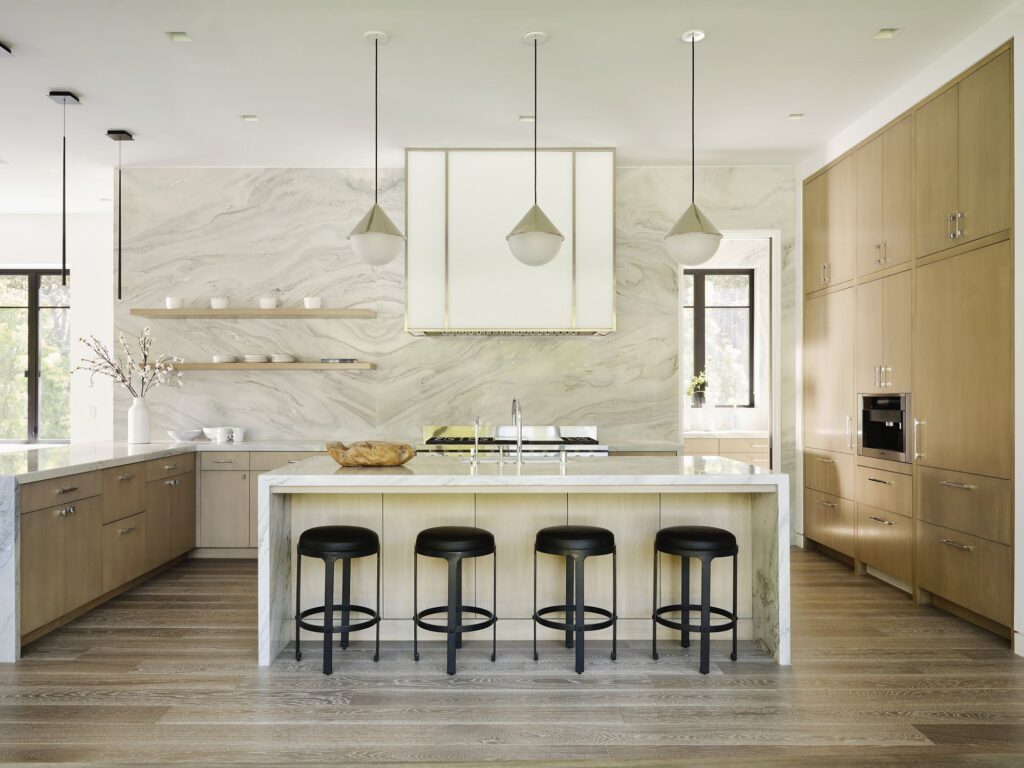
High end kitchen renovation ($60,000 to $120,000+): Full custom cabinetry built and installed by skilled craftspeople, premium countertop materials, professional grade appliances, custom tile work, structural layout changes, new windows, custom range hood, and full electrical and plumbing relocation if needed. This level produces showroom quality results and is common in luxury homes or high value real estate markets like Vancouver and Toronto.
One critical cost driver many homeowners underestimate is whether the kitchen renovation involves any relocation of plumbing or gas lines. Moving a sink, dishwasher, or gas range even a few feet can add $2,000 to $8,000 to the project depending on your city and the complexity involved.
Bathroom Renovation Cost in Canada
Bathrooms represent some of the best dollar for dollar renovation value available to Canadian homeowners. Even a modestly updated bathroom improves daily quality of life significantly and makes a strong impression on potential buyers.
Basic bathroom refresh ($5,000 to $10,000): New toilet, vanity, faucets, mirror, lighting, and fresh paint. Tile stays in place and no plumbing is moved. Quick to complete and effective at modernizing an outdated space.
Standard full bathroom renovation ($12,000 to $22,000): Full gut renovation of a standard sized bathroom including new tile floor and shower surround, new tub or shower unit, new vanity and countertop, toilet, lighting, exhaust fan, and all fixtures. Plumbing stays in the same location. This is the most common bathroom renovation scope in Canada.
Luxury master ensuite renovation ($28,000 to $60,000+): Custom tile work throughout, frameless glass shower enclosure, freestanding soaker tub, heated floors, double vanity with custom cabinetry, premium fixtures, pot lighting, and sometimes structural changes to expand the footprint of the room. In markets like Vancouver and Toronto these projects routinely exceed $60,000 for larger ensuites with high end finishes.
A key cost consideration in any bathroom renovation is waterproofing. Proper waterproofing behind shower walls and under floor tiles is not optional. It is the difference between a renovation that lasts 20 years and one that develops mold and structural damage within three to five years. Never hire a contractor who skips or minimizes this step to save money.

Basement Renovation and Finishing Cost in Canada
Finishing an unfinished basement is one of the highest value investments a Canadian homeowner can make, particularly in markets where square footage commands a premium. Adding finished living space below grade costs a fraction of what a home addition costs per square foot while delivering comparable increases in usable space and home value.
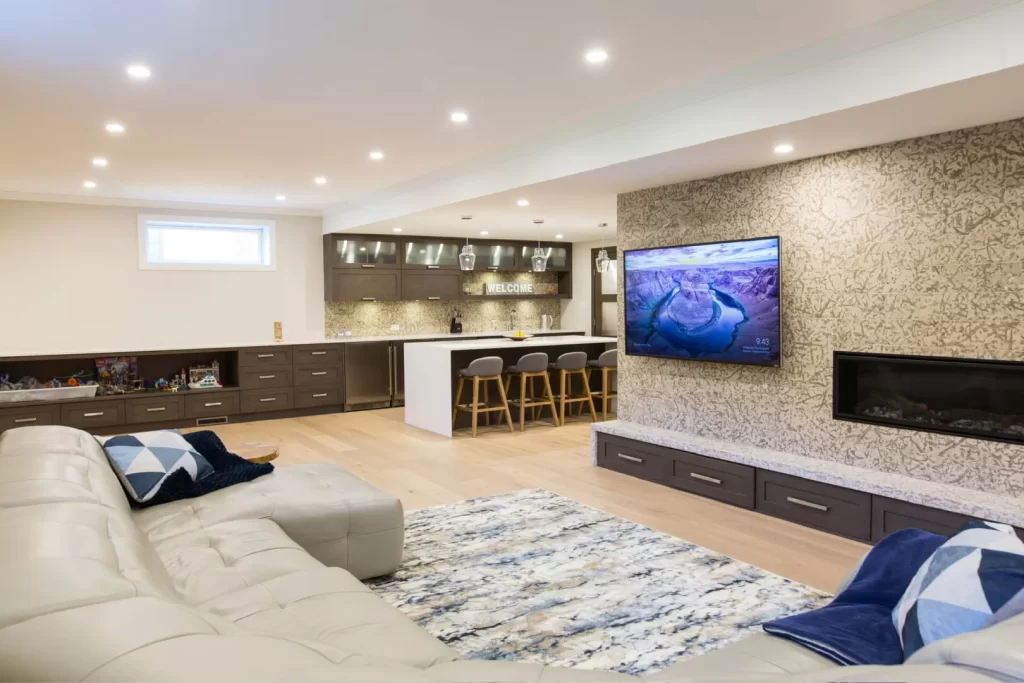
Basic basement finishing ($25,000 to $40,000): Framing exterior walls, insulation, drywall, flooring, basic lighting, and an egress window if required. Creates an open recreation room or family room without a full bathroom. Suitable for families adding play space or a home office.
Full basement with bathroom and bedroom ($45,000 to $85,000): Everything in the basic package plus a full or three piece bathroom, one or two bedrooms, closets, and more sophisticated electrical and lighting throughout. This level creates genuinely useful living space for teenagers, extended family, or home office use.
Legal basement suite or in law apartment ($65,000 to $130,000+): A self contained unit with a full kitchen, bathroom, bedroom, separate entrance, and all requirements for a legal secondary dwelling unit per your municipality’s building code. Legal basement suites add significant property value and generate rental income that can offset your mortgage. However, they require extensive permitting and strict code compliance including fire separation requirements, ceiling height minimums, and separate utility metering in some jurisdictions.
Before budgeting any basement renovation, have a professional assess whether waterproofing or drainage work is needed. Basement water infiltration issues must be resolved before finishing work begins, and these remediation costs can range from $5,000 for minor crack repairs to $30,000 or more for full exterior waterproofing and drainage system installation.
Home Addition Cost in Canada
Adding physical square footage to your home through an addition is the most complex and expensive renovation category. These projects typically require architectural drawings, structural engineering reports, extended permit processing times, and highly skilled coordination between multiple trades.
Single room addition ($80,000 to $160,000): A bump out or single room addition involving new foundation work, framing, roofing, insulation, windows, drywall, flooring, and electrical. Costs vary significantly based on whether the addition requires new foundation excavation or can be built on a simple pier system.
Multi room main floor addition ($120,000 to $250,000): Expanding the main floor footprint by adding a family room, expanded kitchen, or additional bedroom suite. These projects require extensive structural work where the new addition meets the existing home and often trigger upgrades to the existing electrical and HVAC systems.
Second storey addition ($150,000 to $450,000+): One of the most complex renovations a homeowner can undertake. The existing roof is removed and an entirely new second floor is constructed above the existing main floor. The existing structure must be assessed and potentially reinforced to support the added load. These projects often render portions of the home temporarily unlivable, which means accounting for temporary housing costs in your budget.
Garage conversion to living space ($40,000 to $85,000): Converting an attached garage into a finished living space such as a bedroom, home office, or in law suite. Costs include insulation, drywall, flooring, electrical, heating, and often a new foundation if the existing garage slab is not suitable for finished living space.
Hidden Costs That Derail Canadian Renovation Budgets
This is the section that can save you from the single most common renovation mistake Canadian homeowners make: underestimating true total project costs. When contractors open walls, pull up floors, and expose what is hidden inside your home, surprises are extremely common, particularly in homes more than 20 to 30 years old.
Asbestos abatement: Homes built before 1990 frequently contain asbestos in floor tiles, ceiling texture, pipe insulation, and drywall joint compound. Once disturbed, asbestos becomes a serious health hazard requiring professional remediation. Costs range from $3,000 for a small area to $30,000 or more for extensive contamination.
Mold remediation: Water damaged framing, insulation, or drywall behind walls often reveals significant mold growth that must be professionally removed and treated before renovation work can continue. Remediation costs range from $2,000 to $15,000+ depending on the extent.
Knob and tube or aluminum wiring: Older electrical systems that do not meet current code standards must be updated when exposed during renovations. Full electrical panel upgrades and wiring replacement can add $5,000 to $15,000 to a project.
Plumbing discoveries: Corroded galvanized pipes, improperly installed drain lines, or aging copper plumbing often surfaces during renovations. Replacing deteriorated plumbing within a renovation scope can add $3,000 to $12,000 depending on the extent.
Structural deficiencies: Undersized beams, improperly installed supports, or settling foundations discovered during demo work require engineering assessments and remediation that can range from $2,000 to $50,000+ depending on severity.
Permit fees: Many homeowners forget to include permit costs in their budget. Depending on your municipality and project value, permits can range from $300 to $5,000+ for major renovations.
Temporary accommodations: If your renovation makes cooking, bathing, or sleeping impossible, you need to budget for hotel, short term rental, or staying with family. Even two weeks of temporary accommodation in a Canadian city can add $2,000 to $5,000 to your total costs.
Project contingency fund: Every renovation professional will tell you the same thing. Set aside 15 to 20% of your total budget as a contingency fund before the project starts. This single financial discipline prevents the overwhelming majority of renovation budget crises.
How to Get the Most Value From Your Renovation Investment
Strategic planning dramatically improves the financial outcome of any renovation. Here is what experienced homeowners and real estate professionals recommend.
Focus your primary budget on kitchens and bathrooms first because these rooms deliver the highest verified return on investment in Canadian real estate markets. If you are renovating with resale in mind, research what features buyers in your specific neighbourhood are actually looking for before finalizing your plans.
Bundle related work so that trades who are already on site and already working in a specific area of your home can complete multiple tasks in a single mobilization. For example, if a plumber is already on site for your bathroom renovation, have them address any other plumbing concerns in the house at the same time. Calling a plumber back for a second visit costs you a minimum of one to two hours of labour in travel and setup time alone.
Get a minimum of three detailed written quotes from licensed contractors before making any decisions. Quotes should be itemized enough that you can compare them line by line rather than simply looking at the bottom line total. The lowest quote is not always the best value and the highest quote is not always the highest quality.
Consider renovating during late fall and winter months when contractor schedules are less packed and pricing is often more competitive. Summer and early fall are peak renovation season in most Canadian markets and contractors have less flexibility on both price and timeline.

How to Verify and Hire a Trustworthy Renovation Contractor in Canada
Hiring the right contractor is arguably more important than any other decision you make during the renovation planning process. Here is a practical checklist to protect yourself.
Verify that every contractor you consider carries valid liability insurance and Workers Compensation Board coverage for their employees and subcontractors. Ask for certificates directly, not just verbal confirmation.
Check online reviews on Google, HomeStars, and the Better Business Bureau. Look specifically for reviews that mention project timelines, communication, how problems were handled, and final quality of work.
Ask every contractor for three to five references from projects completed within the past 12 months and actually call them. Ask reference clients whether the project came in on budget, whether the contractor communicated proactively, whether the team was respectful of the home, and whether they would hire the contractor again.
Insist on a written contract that specifies exact scope of work, materials to be used including brand and model numbers where applicable, project start and estimated completion dates, a detailed payment schedule tied to project milestones, and a clear change order process for any additions or modifications to the original scope.
Never pay more than 10 to 15% as an upfront deposit on a residential renovation project. Reputable contractors structure payments around completed phases of work, not arbitrary calendar dates. A contractor who demands 50% upfront before any work begins is a significant warning sign.
The Canadian Renovation Market Heading Into 2026
The good news for homeowners planning renovations in 2026 is that the post pandemic material cost surge has substantially stabilized. Lumber prices, window lead times, and appliance availability have all normalized significantly compared to the chaotic 2021 to 2023 period when material costs were unpredictable and contractor schedules were booked 12 to 18 months out in major markets.
Contractor availability has improved meaningfully in most Canadian cities, lead times for quality tradespeople are shorter than they have been in years, and supply chain reliability has returned to something approaching normal. This means 2026 is actually an excellent time to plan and execute a renovation that you may have been delaying for the past few years.
Energy efficiency upgrades remain a priority area where Canadian homeowners can access meaningful government support. Federal and provincial programs continue to offer rebates and incentives for insulation upgrades, heat pump installations, window replacements, and smart home energy systems. These programs can reduce the net cost of energy related renovation work by $2,000 to $10,000 or more depending on your province and the scope of the work.
If you are financing your renovation through a Home Equity Line of Credit, a refinanced mortgage, or a dedicated renovation loan, work with a mortgage advisor to understand your current borrowing options before committing to a project scope. Financing costs are a real part of total renovation expense and should factor into your overall budget planning.
Final Thoughts: Plan Thoroughly, Execute Confidently
A successful home renovation in Canada comes down to three things. Realistic budgeting based on accurate market information, strategic planning focused on projects that deliver genuine value, and a trustworthy contractor who communicates honestly and delivers quality work.
The homeowners who have the best renovation experiences are not necessarily those who spend the most money. They are the ones who invest time in preparation, ask the right questions, insist on written agreements, build in a financial contingency, and partner with a contractor who treats their home with genuine care and professionalism.
Your home is your single largest asset. Renovating it thoughtfully is one of the best financial and lifestyle decisions you can make.
Ready to Renovate? Contact Lifetime Buildings for Your Free Quote
At Lifetime Buildings, we have helped Canadian homeowners transform their spaces with quality craftsmanship, transparent pricing, and professional project management from first consultation through final walkthrough. Whether you are planning a kitchen renovation, a bathroom upgrade, a basement transformation, a full home renovation, or a custom addition, our team brings the expertise and dedication your home deserves.
We do not believe in vague estimates or surprise invoices. We believe in clear communication, honest pricing, and work that stands the test of time.
Contact us today for your free, no obligation renovation consultation and quote.
📞 Call us: +1 905-564-0162
📧 Email us: info@lifetimebuildings.ca
🌐 Visit us online: lifetimebuildings.ca
📍 Proudly serving homeowners across Canada